
If you’ve ever owned a black car, you know the frustration of seeing every water spot, swirl mark, and piece of dust the moment you finish washing it. White car owners face their own challenges – yellowing paint, visible dirt buildup, and the constant battle against UV damage. While ceramic coating promises superior paint protection for all vehicles, the results and maintenance requirements vary significantly depending on your car’s color.
Understanding these differences isn’t just about aesthetics – it’s about maximizing your investment and ensuring your vehicle maintains its showroom appearance for years to come. Whether you’re driving a midnight black sports car or a pearl white sedan, this guide will help you make informed decisions about ceramic coating application and maintenance.
Table of Content:
- Why Color Matters in Ceramic Coating
- Ceramic Coating for Dark Cars
- Ceramic Coating for Light Cars
- Dark vs. Light: Key Differences
- DIY vs. Professional Application
- Expert Tips for Long-Lasting Results
- Frequently Asked Questions
Why Car Color Matters in Ceramic Coating
Car color plays a crucial role in how ceramic coating performs and appears on your vehicle. The underlying paint color affects everything from how imperfections show to how heat is absorbed and reflected. Dark colors, particularly black, reveal every microscopic imperfection, while light colors can mask minor flaws but face unique challenges like yellowing and heat retention.
From working with hundreds of vehicles across all color spectrums, professional detailers consistently observe that preparation requirements, application techniques, and long-term maintenance needs vary dramatically based on paint color. This isn’t just anecdotal – the science of light reflection and absorption directly impacts how ceramic coatings interact with different colored surfaces.
Key factors influenced by car color:
- Scratch and swirl mark visibility
- Heat absorption and UV damage patterns
- Water spot formation and visibility
- Maintenance frequency requirements
- Application difficulty and preparation needs
Ceramic Coating for Dark Cars
The Dark Car Challenge
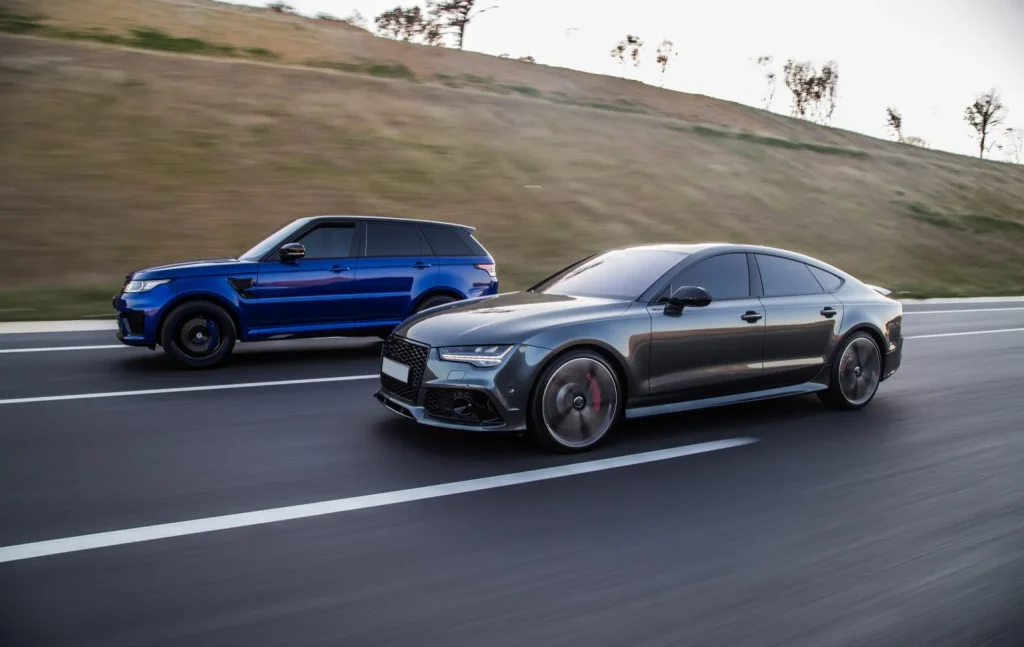
Dark-colored vehicles, especially black cars, are notorious for showing every imperfection. Before ceramic coating application, these vehicles typically require extensive paint correction to remove existing swirl marks, scratches, and water spots that would otherwise be magnified under the coating’s glossy finish.
Benefits for Dark Cars
Enhanced Gloss and Depth: Ceramic coating transforms dark paint into a mirror-like finish that’s simply stunning. The coating adds incredible depth to dark colors, creating that coveted “liquid paint” appearance that makes heads turn.
Swirl Mark Prevention: Once properly applied, ceramic coating significantly reduces the formation of new swirl marks during washing. The hard, slick surface allows dirt and debris to glide off more easily during maintenance washes.
Easier Maintenance: Despite popular belief, ceramic-coated dark cars are actually easier to maintain than unprotected dark paint. The hydrophobic properties mean less time spent drying and fewer water spots forming during routine washing.
Challenges for Dark Cars
Preparation Requirements: Dark cars typically need more extensive paint correction before coating application. Every small imperfection must be addressed, as ceramic coating will lock in and potentially amplify existing flaws.
Application Precision: Ceramic coating application on dark paint requires exceptional skill. Any high spots, streaking, or uneven coverage becomes immediately visible, making professional application almost essential for optimal results.
Dust and Debris Visibility: While ceramic coating helps repel contaminants, any dust or debris that does stick to dark surfaces remains highly visible between washes.
Ceramic Coating for Light Cars
The Light Car Advantage
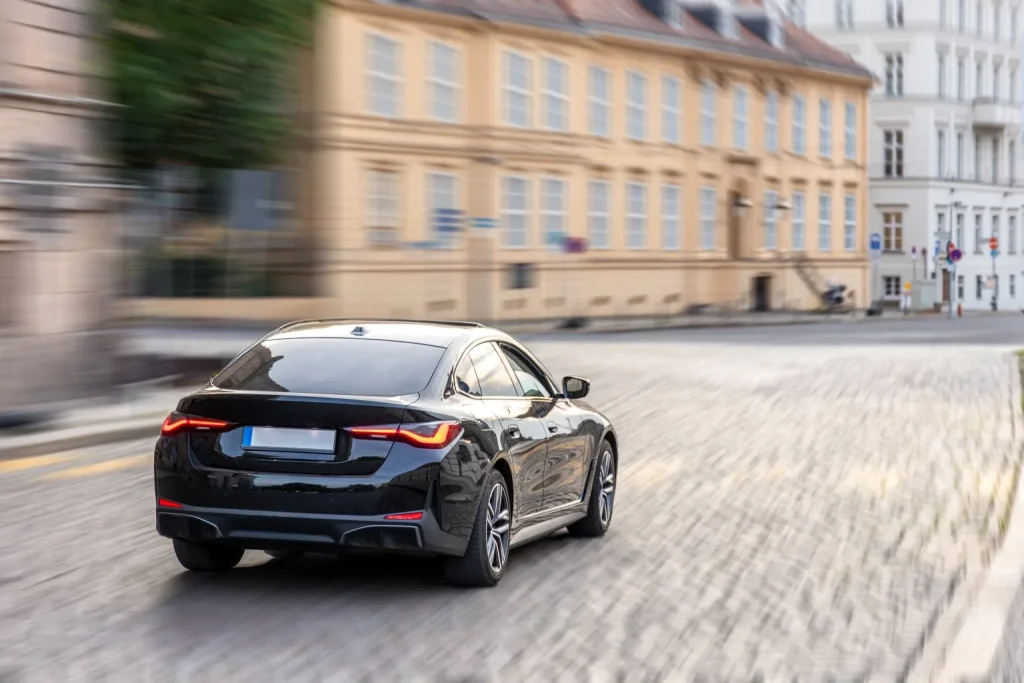
Light-colored vehicles, including white, silver, and light metallic finishes, offer unique advantages when it comes to ceramic coating. These colors naturally hide minor imperfections and provide excellent heat reflection, but they face their own specific challenges.
Benefits for Light Cars
- UV Protection Excellence: Light cars benefit tremendously from ceramic coating’s UV protection. The coating prevents yellowing and oxidation that commonly affects white and light-colored paints over.
- Heat Reflection: Light colors naturally reflect more heat, and when combined with ceramic coating’s thermal properties, this provides excellent protection against heat-related paint damage.
Challenges for Light Cars
Dirt and Grime Visibility: While light colors hide scratches well, they show dirt, road grime, and environmental contaminants more readily than ceramic-coated dark surfaces.
Yellowing Prevention: Older white cars may already show signs of yellowing that ceramic coating cannot reverse – only prevent from worsening. Pre-coating paint correction may be necessary to restore the original color.
Water Spot Complexity: While water spots are less visible on light cars, they can still cause etching damage. Ceramic coating helps prevent formation but requires proper maintenance to maximize effectiveness.
Dark vs. Light: Key Differences in Protection
Heat Management
Dark Cars: Absorb significantly more heat, making thermal protection crucial. Ceramic coating helps dissipate heat more effectively than unprotected paint, reducing the risk of heat-related damage and making the surface cooler to the touch.
Light Cars: Naturally reflect more heat but still benefit from ceramic coating’s thermal barrier properties, especially in preventing UV-related color degradation.
Maintenance Frequency
Dark Cars: Require more frequent washing to maintain appearance but benefit from faster, easier cleaning sessions due to the coating’s hydrophobic properties.
Light Cars: Can go longer between washes without looking dirty but may require more thorough cleaning when contaminants do build up.
Longevity and Durability
According to detailing professionals, ceramic coating durability remains consistent across all colors when properly applied and maintained. However, the visible signs of coating degradation appear differently:
- Dark cars: Show coating wear through reduced gloss and increased swirl mark visibility
- Light cars: Show wear through decreased hydrophobic properties and increased staining
DIY vs. Professional Application
Professional Application Advantages
For dark-colored vehicles especially, professional application is strongly recommended. The precision required for flawless results on dark paint, combined with the extensive prep work typically needed, makes professional installation the smart choice for most owners.
Professional benefits include:
- Proper paint correction and preparation
- Controlled application environment
- Access to professional-grade products
- Warranty coverage and guaranteed results
- Experience with color-specific challenges
When DIY Might Work
Light-colored vehicles with minimal paint imperfections may be suitable for experienced DIY enthusiasts. However, even with light cars, the investment in quality ceramic coating products often approaches the cost of professional installation when factoring in prep materials and tools.
Ready to protect your investment? Book your ceramic coating service today at Nathan’s Detailing and ensure flawless results regardless of your car’s color.
Expert Tips for Long-Lasting Results
Pre-Application Preparation
For Dark Cars:
- Invest in thorough paint correction – it’s non-negotiable
- Use proper lighting to identify all imperfections
- Consider a two-stage correction for severely swirled paint
For Light Cars:
- Focus on decontamination and deep cleaning
- Address any yellowing or oxidation before coating
- Don’t skip paint correction just because imperfections are less visible
Application Best Practices
Environmental Conditions: Apply ceramic coating in temperatures between 60-80°F with low humidity, regardless of car color. However, dark cars are more sensitive to temperature fluctuations during application.
Product Selection: Choose ceramic coatings specifically formulated for your climate and usage patterns. Some products perform better on dark surfaces, while others excel with light colors.
Curing Time: Allow full curing time before exposure to water or contaminants. Dark cars may require longer curing periods due to heat absorption affecting the chemical bonding process.
Maintenance Strategies
Dark Car Maintenance:
- Wash more frequently but with less aggressive methods
- Use the two-bucket method religiously
- Dry immediately to prevent water spots
- Consider weekly maintenance washes
Light Car Maintenance:
- Focus on thorough cleaning when needed
- Pay attention to lower panels where dirt accumulates
- Monitor for early signs of yellowing or staining
- Maintain consistent cleaning schedule to prevent buildup
About the Author: This guide was written by ceramic coating professionals with extensive experience maintaining vehicle protection in Ohio’s diverse climate conditions. Our team has helped hundreds of Ohio drivers maximize their ceramic coating investments through proper maintenance and care.
Found this guide helpful? Explore our other in-depth car protection guides below:
What is Ceramic Coating
Ppf Car vs Ceramic Coating
Ceramic Coating Maintenance Guide for Ohio Weather
Is Ceramic Coating Worth It for Used Cars?
Corvette C8 PPF vs. Ceramic Coating
Ceramic Coating for Matte or Satin Paint — What to Know
How Many Layers of Ceramic Coating Do You Really Need?
Ceramic Coating: Cleveland Routes Where You Need It