

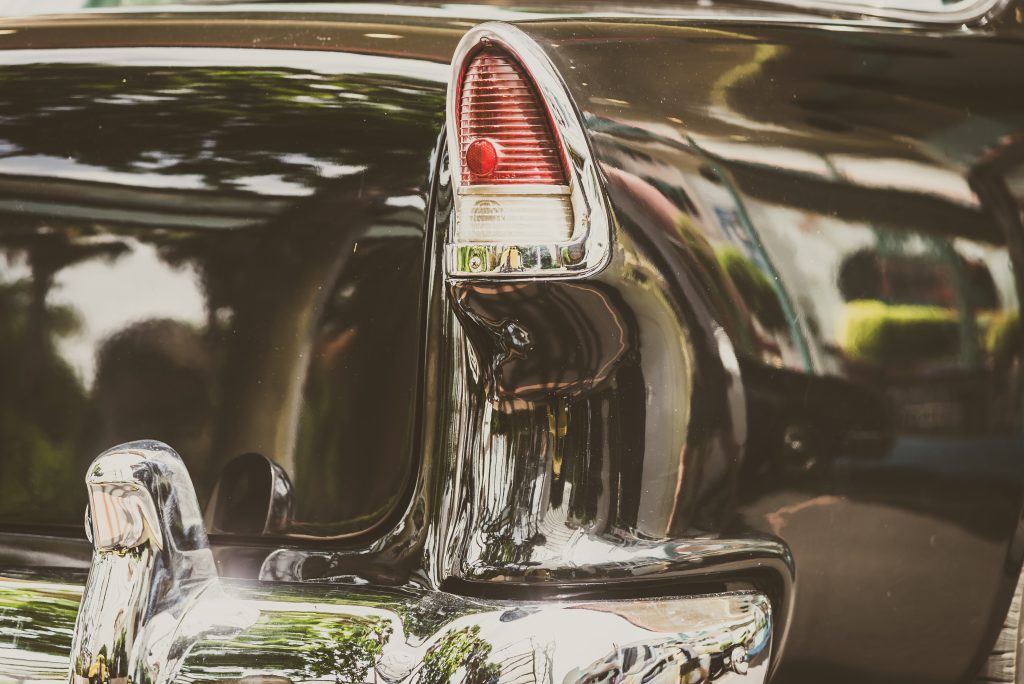

Classic cars aren’t just vehicles – they’re rolling pieces of history that demand more than a standard wash and wax. Whether you own a pristine 1960s Mustang or a lovingly preserved vintage Porsche, proper detailing requires specialized knowledge, gentle techniques, and an understanding of materials that modern cars simply don’t use anymore. One wrong product or aggressive technique can strip original paint, crack irreplaceable leather, or damage chrome that’s been perfect for decades.
This guide walks you through the essential considerations for detailing classic cars, from protecting vulnerable vintage paint to preserving authentic interior materials, so you can maintain your automotive treasure without compromising its value or authenticity.
Why Classic Cars Need Special Detailing Care
Classic vehicles present unique challenges that set them apart from contemporary cars. Most classics feature single-stage paint without the protective clear coat found on modern vehicles, making them far more susceptible to oxidation, fading, and damage from harsh chemicals. UV radiation causes photooxidative degradation which breaks down polymer chains and reduces molecular weight, leading to discoloration of pigments, loss of gloss, and mechanical deterioration including cracking Auto Geek Online. The paint is often thinner after decades of exposure, and aggressive polishing can cut through to primer or bare metal.
Beyond paint, classic cars incorporate materials rarely seen today: genuine wool carpeting, natural leather treated with vintage tanning methods, Bakelite trim pieces, and chrome finishes more prone to pitting and corrosion than modern treated metals. Many of these components are irreplaceable – damage them, and you’ve permanently diminished the car’s authenticity and value.
The aging process itself creates vulnerabilities. Rubber seals become brittle, adhesives deteriorate, and fabrics weaken over time. What works perfectly on a 2023 sedan could destroy a 1967 interior in minutes.
Protecting Classic Car Paintwork
Understanding Single-Stage vs. Modern Paint
Before approximately the 1980s, most vehicles came with single-stage paint: pigment and resin combined in one layer without a separate clear coat. This paint oxidizes more quickly and shows color transfer onto polishing pads – a sign you’re removing material with every pass.
Before any paint correction work, consider using a paint thickness gauge to measure what you’re working with. Years of oxidation or previous amateur restoration attempts may have left dangerously thin paint that can’t withstand even mild polishing.
Gentle Washing Techniques
Always hand-wash classic cars using the two-bucket method: one bucket with pH-balanced car shampoo, another with clean rinse water for your wash mitt. This prevents reintroducing dirt and grit that causes scratches. Avoid automated car washes entirely – even touchless systems use harsh chemicals that can strip wax and damage vintage finishes.
Use plush microfiber mitts and work from top to bottom, allowing gravity to help remove dirt. For drying, never drag towels across the surface. Instead, use high-quality microfiber drying towels with a gentle blotting motion, or employ compressed air to push water out of crevices and panel gaps without physical contact.
Polishing and Protection
When oxidation dulls your classic’s finish, resist the urge to reach for aggressive compounds. Start with the mildest polish possible, testing on an inconspicuous area first. If using a machine polisher, a dual-action polisher is safer than a rotary for vintage paint – it’s less aggressive and generates less heat.
After polishing, protect the paint with high-quality carnauba wax. Carnauba provides that deep, warm glow collectors prize while shielding paint from UV rays and environmental contaminants. Apply thin, even coats with a foam applicator, allow it to haze, then buff with a clean microfiber cloth. Regular waxing – every three to four months for driven cars – maintains protection and reduces the need for aggressive correction later.
Preserving Patina
Some collectors value honest patina – the natural aging and character that proves a car’s authenticity. If your classic showcases original paint with surface imperfections that tell its story, consider gentle cleaning and protection rather than correction that erases history.
Interior Detailing: Leather, Fabric & Trim
Vintage Leather Care
Original leather in classic cars differs significantly from modern automotive leather. Older tanning processes created hides with different properties, and many lack the protective coatings applied today. Use pH-balanced leather cleaners designed for vintage materials, applying with soft brushes and working gently to avoid damaging aged surfaces.
After cleaning, conditioning is critical. Choose conditioners formulated specifically for classic car leather – they provide hydration without over-softening or creating an unnatural sheen. Modern silicone-based products can actually dry out and crack older leather, so avoid anything not explicitly designed for vintage materials.
Fabric and Carpet Preservation
Wool carpeting and period-correct fabrics require delicate handling. Begin by vacuuming thoroughly with appropriate attachments and controlled suction – too much force can damage weakened fibers. For deeper cleaning, low-moisture extraction methods work best. Steam cleaning can be effective but risky; excess heat and moisture may damage old fabrics, adhesives, or backing materials.
Always test cleaning products on hidden areas first. Period dyes may react unpredictably to modern cleaners, and what works on synthetic modern upholstery could permanently stain vintage textiles.
Dashboard and Trim Components
Dashboards in classic cars often feature materials like wood veneer, painted metal, or early plastics that become brittle with age. Clean these surfaces with gentle, non-abrasive cleaners applied to microfiber cloths – never spray directly onto components where liquid could seep into gauge clusters or controls.
Wood trim requires specialized wood cleaners that remove grime without excess moisture, which can cause swelling or warping. Follow with protective wood polish to maintain luster and guard against future wear. For Bakelite and early plastics, use minimal pressure and avoid harsh chemicals that accelerate fading or cracking.
Chrome, Wheels & Engine Bay Care
Chrome Polishing Without Damage
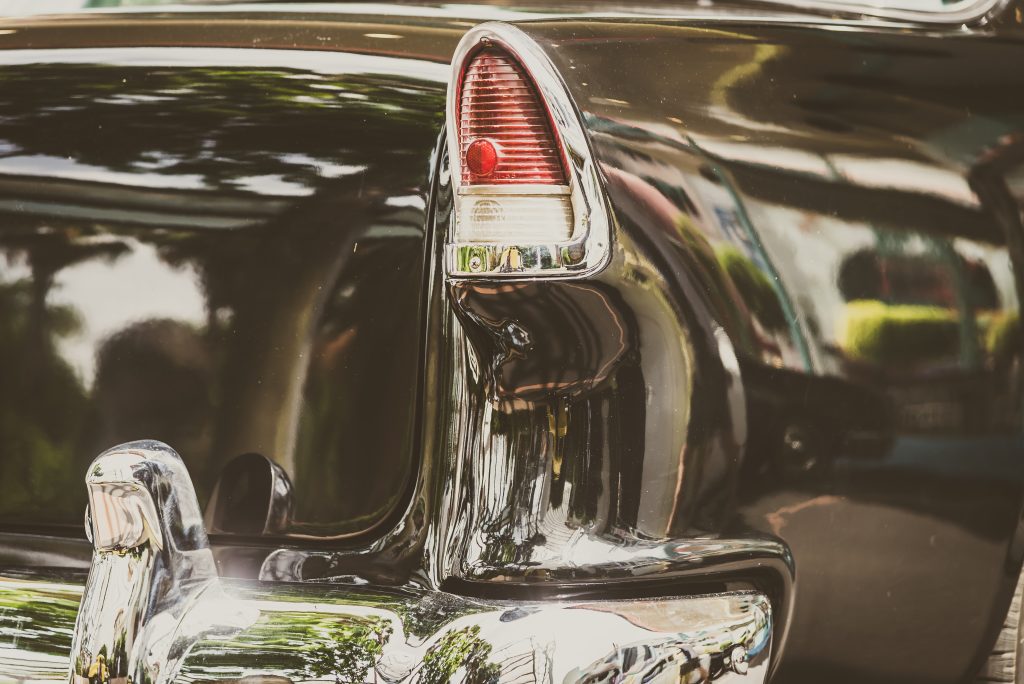
Chrome trim, bumpers, and emblems define the character of many classic cars, but vintage chrome is more vulnerable to corrosion than modern treated finishes. Clean chrome with dedicated metal cleaners that remove oxidation without abrasive scrubbing. Use soft microfiber cloths for application and buffing, working in small sections to restore that mirror-like shine.
After polishing, apply a chrome sealant to slow tarnishing and make future cleaning easier. This protective layer helps maintain the gleam between detailing sessions and provides a barrier against moisture that causes pitting.

Engine Bay Considerations
Cleaning a classic car’s engine bay requires extreme caution. Older vehicles lack the robust insulation and weatherproofing of modern engines, making electrical components particularly vulnerable to water damage. Instead of high-pressure washing, use waterless engine cleaners or degreasers applied carefully with brushes.
Cover sensitive areas like distributors, carburetors, and exposed wiring before any cleaning. Work methodically with brushes and towels to remove grease buildup, then protect exposed metal and rubber components with silicone-free dressings that won’t attract dust or degrade rubber seals.
Storage & Environmental Protection
Climate-Controlled Storage
How you store your classic between drives matters as much as detailing. Temperature fluctuations and humidity accelerate paint deterioration, leather drying, and metal corrosion. A climate-controlled garage with stable conditions preserves your detailing work and prevents issues like mold growth in interiors or moisture-related rust.
Use breathable, soft car covers to protect against dust without trapping condensation. Avoid plastic covers that can create moisture buildup leading to paint damage or mildew. If storing long-term, consider battery tenders to maintain charge and tire supports to prevent flat spots.
Regular Maintenance Between Full Details
Maintain your classic’s condition with regular light cleaning. Dust the interior weekly and address any spills immediately – stains set quickly in vintage materials. Wash the exterior monthly or after exposure to rain, road salt, or other contaminants. Quick detail sprays between washes help maintain shine and remove light dust without full washing.
Common Mistakes to Avoid When Detailing Classic Cars
Using Modern Products on Vintage Materials
The biggest mistake is treating a classic car like a modern vehicle. Products formulated for contemporary clear coats, synthetic leathers, and durable plastics can devastate vintage materials. Always verify products are appropriate for older vehicles, and when in doubt, test on hidden areas first.
Over-Polishing Thin Paint
Aggressive polishing removes material with every pass. On single-stage paint that’s already thin from decades of exposure, excessive correction can break through to primer or metal. If you notice color on your polishing pad, you’re removing paint – stop immediately and reassess your approach.
Neglecting Hidden Areas
Classic cars accumulate decades of dust and grime in hidden spaces: door jambs, trunk channels, under seats, and behind trim pieces. Neglecting these areas allows deterioration to continue unseen. Include comprehensive cleaning of all accessible spaces, using appropriate tools to reach tight spots without forcing or damaging delicate components.
Rushing the Process
Detailing a classic car demands patience. Rushing leads to mistakes: applying products before surfaces are properly prepared, buffing before wax has cured, or using too much pressure on delicate materials. Allocate adequate time and work methodically – your classic deserves careful attention.
Ignoring Professional Help When Needed
Some tasks require specialized knowledge and equipment beyond typical DIY capabilities. Paint thickness measurement, concours-level preparation, major stain removal, or mold remediation often benefit from professional expertise. Recognizing when to seek help prevents costly mistakes on irreplaceable vehicles.
Why Choose Professional Mobile Detailing Services
Expertise in Vintage Materials
Professional detailers specializing in classic cars understand the unique requirements of vintage materials. They possess period-specific knowledge about factory finishes, original cleaning recommendations, and appropriate preservation techniques. This expertise prevents the trial-and-error approach that risks damaging irreplaceable components.
Specialized Equipment and Products
Professionals maintain comprehensive inventories of specialized products: pH-balanced cleaners for vintage leather, mild polishes for single-stage paint, museum-grade preservation waxes, and period-appropriate treatments. They also use equipment like paint thickness gauges and controlled-suction extraction systems designed for delicate materials.
Convenience of Mobile Service
Mobile detailing brings professional care to your location, eliminating transportation risks for valuable classics. This convenience allows service in climate-controlled environments where cars are stored, prevents exposure to weather or road hazards, and accommodates collectors with multiple vehicles.
For classic car show preparation, professional detailing ensures your vehicle meets exacting standards. Concours-level detailing addresses every detail judges scrutinize, from paint depth and chrome brilliance to interior authenticity and engine bay presentation.
Frequently Asked Questions
Can I wash a classic car with regular soap? Regular dish soap strips protective wax and can damage vintage paint. Always use pH-balanced car shampoo specifically designed for automotive finishes, preferably one formulated for classic vehicles.
What’s the safest way to clean antique leather seats? Use pH-neutral leather cleaners designed for vintage tanning methods, applied with soft brushes and minimal pressure. Follow with conditioning products formulated specifically for classic car leather to prevent drying and cracking.
How do I protect original chrome parts? Clean with non-abrasive metal polish, then apply protective chrome sealant. Regular maintenance prevents tarnishing and pitting that can permanently damage irreplaceable chrome components.
Should I detail my car before a show? Professional detailing before shows ensures your classic appears at its absolute best. Plan detailing well in advance – typically one to two weeks before the event – allowing time for any touch-ups needed.
What are the risks of DIY detailing for vintage cars? Improper products or techniques can permanently damage irreplaceable materials: stripping thin paint, cracking vintage leather, scratching chrome, or staining original fabrics. DIY detailing works when you thoroughly research appropriate methods and products for your specific vehicle.
Preserve Your Classic’s Legacy
Detailing a classic car balances thorough cleaning with careful preservation of authentic materials and finishes. Whether you’re preparing for a show, maintaining a collection, or simply preserving your pride and joy, understanding the unique needs of vintage vehicles ensures they remain beautiful and valuable for future generations.
For classic car owners seeking professional care, mobile detailing services offer expertise, convenience, and specialized knowledge that protects your automotive investment. Professional detailers treat classic cars as the historical treasures they are – applying techniques that honor originality while achieving show-quality results.
Ready to give your classic the expert care it deserves? Contact Nathan’s Detailing for professional mobile car detailing services that preserve your vehicle’s authenticity and enhance its timeless beauty.
Want to know more about car detailing? Consider checking our next guides:
Signs Your Car Needs Professional Detailing
How to Remove Stains from Car Seats
Top 5 Questions Car Owners Ask Before Scheduling Detailing
What Is Mobile Car Detailing?
How to Detail A Car Interior?
Car Wash vs Detailing
Common Detailing Mistakes Car Owners Make at Home
How to Spot a Quality Detailing Service Before Booking
Spring Car Detailing Checklist for Ohio After Winter
Car Detailing Myths