

Table of Contents:
- Understanding Window Tinting
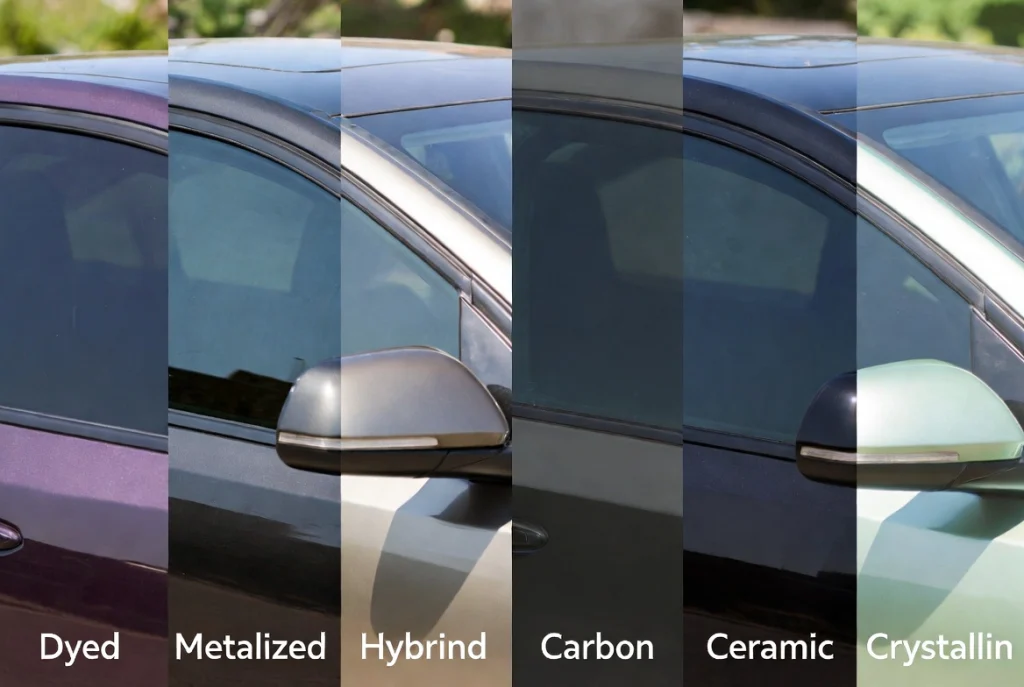
- Types of Window Tint
- Advantages of Different Tint Types
- Choosing the Right Tint for Your Vehicle
- Ceramic vs Carbon Tint — Which Is Better?
- Ohio Window Tint Laws & Compliance
- Installation & Maintenance
- FAQs
Driving through Ohio’s diverse weather—from blazing summer heat to harsh winter glare—puts your vehicle’s interior under constant stress. Window tinting offers a practical solution that protects both you and your car while enhancing comfort and style. But with multiple tint types available, each offering different benefits and price points, how do you choose the right one?
This comprehensive guide breaks down the different types of window tint, comparing their performance, durability, and cost to help Ohio drivers make an informed decision. Whether you’re a daily commuter battling Cleveland traffic, a family protecting precious cargo, or an automotive enthusiast seeking the perfect finish, understanding your options is the first step toward maximizing your investment.
Understanding Window Tinting
What Is Window Tinting?
Window tinting involves applying a thin, multi-layered film to your vehicle’s glass surfaces. This film works by absorbing or reflecting solar energy, reducing the amount of visible light, UV radiation, and infrared heat that enters your vehicle. The effectiveness of window tint is measured by Visible Light Transmission (VLT) percentages—the lower the percentage, the darker the tint and the less light passes through.
Modern window tint technology has evolved far beyond simple darkened film. Today’s products incorporate advanced materials like ceramic particles, carbon compounds, and metallic layers that provide specific performance characteristics. The type of window tint film you choose determines not just how your vehicle looks, but how well it protects against heat, UV damage, and glare.
Benefits of Window Tinting
From working with hundreds of Ohio drivers, we’ve observed that quality window tinting delivers measurable improvements in comfort, safety, and vehicle preservation. The benefits extend across multiple areas:
UV Protection: Premium window tints block up to 99% of harmful ultraviolet rays. According to the Skin Cancer Foundation, UV exposure during driving contributes to skin damage and increased cancer risk. This protection safeguards your skin from sun damage during long commutes and prevents your dashboard, seats, and interior trim from fading and cracking over time.
Heat Reduction: By rejecting solar heat before it enters your vehicle, window tint can reduce interior temperatures by 30-50 degrees during Ohio’s hot summer months. This translates to less reliance on air conditioning, improved fuel efficiency, and greater comfort for you and your passengers.
Glare Reduction: Morning and evening commutes along I-90 or I-77 become safer when window tint reduces blinding glare from sunlight and headlights. Better visibility means reduced eye strain and improved reaction times.
Interior Preservation: Protecting your vehicle’s interior from sun damage maintains resale value. Leather seats, plastic components, and electronic displays all last longer when shielded from constant UV exposure.
Privacy & Safety: Tinted windows provide privacy for your belongings and passengers. In the event of an accident, certain tint films can hold shattered glass together, reducing the risk of injury from flying fragments.

Types of Window Tint
Understanding the different types of window tint helps you match product characteristics to your specific needs and budget. Each technology offers distinct advantages and trade-offs.
Dyed Window Tint
Dyed window tint represents the most budget-friendly option in automotive window tinting. This film consists of a layer of dye applied between an adhesive layer and a protective outer coating. The dye absorbs solar energy and provides privacy by darkening your windows.
Pros: Dyed tint offers excellent glare reduction and privacy at an affordable price point. It provides a sleek, matte appearance without reflective shine and doesn’t interfere with electronic signals like GPS or mobile devices. These cost-effective films can block from 5% to 50% of light entering the car depending on darkness preference, making them popular for budget-conscious drivers.
Cons: This entry-level option comes with limitations. Dyed film typically blocks only about 30% of solar energy, providing minimal heat rejection compared to advanced alternatives. The dye gradually fades over time when exposed to sunlight, often turning purple or brown after several years—inferior quality films are particularly prone to purple fading. UV protection is limited compared to premium options, and durability doesn’t match higher-end products.
Best For: Drivers on tight budgets who prioritize aesthetics and privacy over maximum heat rejection and longevity.
Metalized Window Tint
Metalized window tint incorporates tiny metallic particles embedded within the film layers. These particles reflect heat and UV rays away from your vehicle while strengthening the window.
Pros: Metalized tint provides superior durability and scratch resistance compared to dyed films. It offers strong heat reflection—metalized tinting can filter up to 90% of infrared rays, significantly reducing indoor temperatures and improving fuel efficiency by decreasing air conditioning needs. The metallic layer won’t fade over time, and these films can block up to 99% of UV light from entering the vehicle. The reflective finish gives vehicles a polished, professional appearance.
Cons: The metallic content can interfere with radio frequencies, potentially affecting GPS navigation, mobile phone signals, and tire pressure monitoring systems. Some drivers also find the shiny, reflective appearance less appealing than matte finishes.
Best For: Drivers seeking durable heat protection who don’t rely heavily on in-vehicle electronics or prefer the metallic aesthetic.
Hybrid Window Tint
Hybrid window tint combines dyed and metalized layers to balance the strengths of both technologies while minimizing their weaknesses. This middle-ground option uses both dye for appearance and metallic particles for performance.
Pros: Hybrid films offer better heat rejection than dyed tint alone while maintaining a more subtle appearance than fully metalized options. They provide good durability and fade resistance at a moderate price point, with reduced signal interference compared to fully metalized films.
Cons: While hybrid tint improves on basic dyed film, it still doesn’t match the performance of premium carbon or ceramic options. Some signal interference may still occur, though less than with metalized tint.
Best For: Budget-conscious drivers who want better performance than dyed tint without investing in premium ceramic or carbon films.
Carbon Window Tint
Carbon window tint uses carbon fiber particles instead of dye or metal to block solar energy. This technology provides a significant performance upgrade over entry-level options.
Pros: Carbon tint delivers excellent heat rejection, blocking up to 99% of UV rays and significantly reducing infrared radiation. Carbon film material blocks approximately 99% of harmful ultraviolet light exposure, ensuring long-term safety and durability. Unlike dyed counterparts which fade after some period, carbon particles maintain their appearance and performance for years without fading. Carbon film doesn’t interfere with electronic signals or cause signal interference. The matte finish provides a sophisticated look that many vehicle enthusiasts prefer.
Cons: Carbon tint costs more than dyed, metalized, or hybrid options. While heat rejection is strong, it doesn’t quite reach the performance levels of ceramic tint.
Best For: Drivers seeking premium performance and longevity without the highest price tag, particularly those who value signal clarity for GPS and mobile connectivity.

Ceramic Window Tint
Ceramic window tint represents the pinnacle of automotive window film technology. Using nano-ceramic particles, this premium option delivers superior performance across all metrics.
Pros: Ceramic tint blocks up to 99% of UV rays and rejects approximately 50% of solar heat through advanced infrared rejection—significantly better than dyed tints which only stop around 30% of solar energy. According to UV protection research and automotive studies, ceramic technology provides the most effective heat barrier available without significantly darkening windows. This superior protection shields passengers and vehicle interiors from sunlight damage far better than low-quality alternatives which block only about 60%. It causes zero signal interference, maintains perfect clarity, won’t fade or discolor, and offers the longest lifespan of any tint type.
Cons: Premium performance comes with a premium price tag. Ceramic tint typically costs 2-3 times more than carbon options and significantly more than entry-level films.
Best For: Drivers who prioritize maximum protection, comfort, and longevity, including luxury vehicle owners, electric vehicle drivers focused on range efficiency, and anyone spending significant time on the road.
Crystalline Window Tint
Crystalline window tint offers a unique solution for drivers who want protection without the dark appearance of traditional tints. This film uses hundreds of layers to selectively reject heat and UV rays while maintaining high visible light transmission.
Pros: Crystalline tint blocks approximately 60% of solar heat and 97% of infrared radiation while allowing up to 90% of visible light to pass through due to its high adhesive quality and advanced multi-layer construction. This makes it ideal for windshields where dark tint would be illegal or impair visibility. The nearly clear appearance satisfies both legal requirements and aesthetic preferences for drivers who don’t want obviously tinted windows, yet it does not alter how cars look very much.
Cons: The premium technology comes at a high cost, often matching or exceeding ceramic tint pricing. Performance, while excellent for a clear film, doesn’t match darker ceramic options in absolute heat rejection.
Best For: Drivers who want maximum heat rejection on windshields or front windows where dark tint isn’t legal or desired, particularly in states with strict VLT requirements.
Advantages of Different Tint Types
Affordability & Budget Options
For Ohio drivers working within tight budgets, dyed and hybrid window tints provide entry points into window film benefits without breaking the bank. Dyed tint offers basic privacy and glare reduction at the lowest cost, while hybrid films add meaningful heat rejection for a moderate price increase. These options work well for older vehicles where matching the investment to the vehicle’s value makes financial sense, or for drivers who plan to upgrade vehicles within a few years.
Durability & Longevity
When considering long-term value, carbon and ceramic tints deliver superior durability that justifies their higher initial cost. After analyzing real-world tint performance across different vehicles, carbon films typically maintain their appearance and effectiveness for 7-10 years, while ceramic tints can last 10-15 years or longer without fading, peeling, or losing performance. For drivers planning to keep their vehicles long-term or for those tinting newer vehicles, these premium options offer better cost-per-year value despite higher upfront investment.
UV Protection & Safety
All quality window tints provide some UV protection, but the level varies significantly. Ceramic and carbon films block up to 99% of harmful UV rays, offering maximum protection for both occupants and interior materials. This level of protection becomes particularly important for families with children, individuals with sun sensitivity, or drivers spending hours daily in their vehicles. Metalized and hybrid tints offer moderate UV protection, while basic dyed films provide the least defense against ultraviolet radiation.
Enhancing Vehicle Aesthetics
Your choice of window tint dramatically affects your vehicle’s appearance. Carbon tint provides a rich, matte black finish that complements luxury and performance vehicles. Metalized films offer a reflective, mirror-like appearance that some drivers prefer. Ceramic tint can achieve various darkness levels while maintaining a neutral appearance that doesn’t shift color over time. For drivers who want protection without obvious darkening, crystalline films maintain a near-factory glass appearance.

Clarity & Cooling with Crystalline Tints
Crystalline technology solves a specific challenge: providing heat rejection while maintaining excellent visibility and meeting strict legal requirements. This makes crystalline tint invaluable for windshields and front side windows where maximum light transmission is necessary. The multi-layer construction selectively filters infrared and UV radiation while allowing visible light to pass through, delivering comfort without compromise. Drivers who frequently travel at night or navigate parking structures particularly appreciate the maintained visibility that crystalline films provide.
Choosing the Right Tint for Your Vehicle
Budget Considerations
Your budget significantly influences which types of car window tint make sense for your situation. Entry-level options start around $100-200 for basic dyed tint on a sedan, while premium ceramic applications can exceed $500-800 for the same vehicle. Consider both immediate cost and long-term value when making your decision.
If budget constraints are significant, hybrid tint offers a meaningful performance upgrade over dyed film for a moderate price increase. For drivers who can invest more upfront, carbon or ceramic tints deliver better heat rejection, UV protection, and longevity that pays dividends over time through reduced interior wear and improved comfort.
Style & Privacy Preferences
Different tint types offer varying appearances and privacy levels. If you prefer a sleek, non-reflective finish, carbon or dyed tints provide matte appearances. Drivers who like the mirror-like look can opt for metalized films. For maximum privacy, darker VLT percentages combined with carbon or ceramic technology offer both concealment and performance.
Consider how tint appearance complements your vehicle’s color and style. Black, gray, and darker vehicles often look best with charcoal or black tints, while lighter vehicles can carry slightly lighter tint shades. The goal is enhancing your vehicle’s appearance rather than creating visual discord.
Vehicle Type & Driving Habits
Your vehicle type and how you use it should inform your tint selection. Daily commuters who spend hours in stop-and-go traffic benefit significantly from ceramic or carbon tint’s superior heat rejection. Families with children should prioritize maximum UV protection through ceramic films. Highway drivers appreciate glare reduction that improves safety during sunrise and sunset commutes along routes like I-71 or I-90.
Luxury vehicle owners typically choose ceramic tint to match their investment in quality with appropriate protection. Older vehicles or fleet applications may find dyed or hybrid tints more cost-appropriate. Trucks and SUVs with large glass surfaces gain substantial comfort improvements from premium tints that offset higher installation costs.
Electric & Hybrid Vehicles
Electric and hybrid vehicle owners should strongly consider ceramic window tint as part of their efficiency strategy. Reducing solar heat gain decreases air conditioning demands, which directly extends electric range and improves fuel economy. Even a 20-30% reduction in cooling needs can translate to measurable range improvements during summer months.
For EV owners who track efficiency metrics, ceramic tint represents one of the most effective passive cooling solutions available. The investment pays back through reduced energy consumption and increased comfort without adding weight or complexity to the vehicle.
Ceramic vs Carbon Tint — Which Is Better?
Choosing between carbon vs ceramic tint represents the most common decision point for drivers seeking premium window film. Both technologies deliver excellent performance, but understanding their differences helps you make the right choice.
Heat Rejection: Ceramic tint edges out carbon in heat rejection capability. While carbon films block significant infrared radiation and keep interiors noticeably cooler than entry-level options, ceramic tint’s nano-particle technology rejects up to 50% of total solar energy compared to carbon’s 40-45% rejection rate. In practical terms, this translates to a few degrees cooler cabin temperature during peak summer heat.
UV Protection: Both carbon and ceramic tints block up to 99% of harmful UV rays, providing essentially equal protection for occupants and interior materials. Neither technology offers a meaningful advantage in this critical area.
Price: Carbon tint typically costs 30-40% less than ceramic options. For a sedan, expect to pay approximately $300-400 for quality carbon tint versus $500-800 for ceramic. This price difference represents the most significant factor for many drivers choosing between these premium options.
Longevity: While both technologies offer excellent durability, ceramic tint demonstrates slightly superior longevity. Carbon films typically maintain peak performance for 7-10 years, while ceramic tints can exceed 15 years without fading or performance degradation. The ceramic advantage becomes more pronounced in vehicles exposed to intense, sustained sunlight.
Signal Interference: Both carbon and ceramic tints cause zero interference with GPS, mobile phones, radio, or other electronic signals. This marks a key advantage over metalized films and represents a critical consideration for drivers who rely on in-vehicle technology.
The Verdict: Choose carbon tint if you want premium performance and longevity at a more accessible price point. Select ceramic tint if you’re keeping your vehicle long-term, prioritize absolute maximum heat rejection, or drive an electric vehicle where efficiency matters. For most Ohio drivers, carbon tint offers the best balance of performance and value, while ceramic represents the ultimate choice for those who demand the absolute best.
Ohio Window Tint Laws & Compliance
Before selecting a film or shade, read our Ohio window tint laws guide for window-specific requirements and compliance considerations.
Understanding Tint Laws
Ohio has specific regulations governing automotive window tinting that drivers must follow to avoid citations and potential safety issues. Understanding these laws ensures your tint investment remains legal and hassle-free.
For sedans and passenger vehicles, Ohio law requires front side windows to allow more than 50% visible light transmission (50% VLT minimum). Rear side windows and rear windshields can be tinted to any darkness level. The windshield may only have tint along the top 5 inches or above the AS-1 line marked on the glass.
For SUVs, vans, and trucks, front side windows must still meet the 50% VLT requirement, but rear windows can be tinted to any darkness. These regulations balance driver visibility and safety with privacy and protection desires.
Medical exemptions exist for individuals with documented light sensitivity conditions. Drivers with valid medical exemptions can apply darker tints than standard regulations allow, but must carry proper documentation at all times.
How to Stay Compliant
Professional installation from experienced technicians ensures your window tint meets Ohio legal requirements. Quality installers understand state regulations and can recommend VLT percentages that provide maximum benefits while remaining fully compliant.
After installation, request documentation showing your tint’s VLT percentages. Keep this paperwork in your vehicle, as it provides proof of compliance if you’re ever questioned by law enforcement. Reputable installers provide this documentation as standard practice.
Avoid cutting corners with discount tint shops that might install illegal darkness levels. Citations for non-compliant tint can result in fines and requirements to remove the film entirely, wasting your investment. Law enforcement in Cleveland, Akron, and Canton actively enforces tint regulations, particularly during traffic stops for other violations.
If you move to Ohio from another state with different tint laws, verify your existing tint meets Ohio requirements. Many states allow darker tints than Ohio permits, potentially putting you at risk for citations even if your tint was legal where it was installed.
Installation & Maintenance
Why Professional Installation Matters
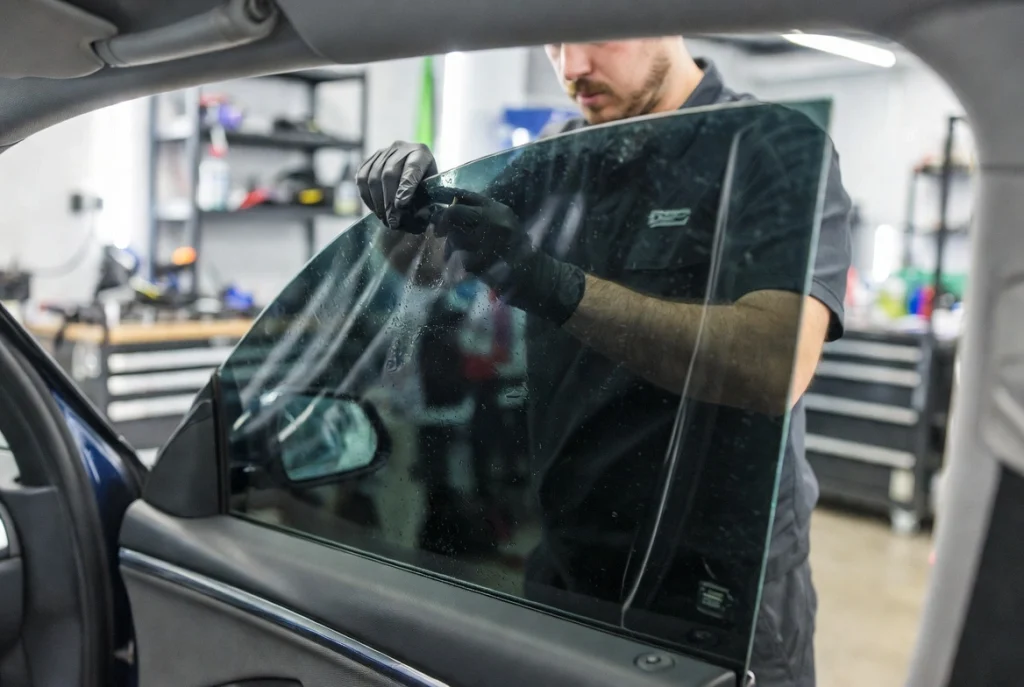
Professional installation separates successful, long-lasting window tint from frustrating, short-lived disappointment. Skilled technicians possess the experience, tools, and techniques necessary to achieve bubble-free, properly adhered film that performs as intended for years.
Quality installers work in controlled, dust-free environments that prevent contamination during application. They precisely cut films to match your vehicle’s specific window dimensions, ensuring complete coverage without gaps or overlaps. Professional installation typically includes warranties covering defects, bubbling, and peeling—protection that DIY applications can’t offer.
Attempting to install window tint yourself almost always results in visible bubbles, uneven application, and premature failure. The cost savings from DIY installation rarely justify the compromised results and wasted materials. For a product you’ll see and rely on daily for years, professional installation represents a wise investment.
Care & Maintenance Tips
Proper maintenance extends your window tint’s lifespan and maintains its appearance. For the first week after installation, avoid rolling down tinted windows. The film needs time to cure completely and bond to the glass. Rolling windows prematurely can cause peeling or bubbling.
Clean tinted windows with ammonia-free products specifically designed for window film. Ammonia-based cleaners like standard Windex can damage tint films, causing discoloration and degradation. Use soft microfiber cloths rather than paper towels, which can scratch the film surface.
Avoid using sharp objects or abrasive materials near tinted windows. Ice scrapers, credit cards, and rough cleaning tools can scratch or puncture the film. When removing ice or frost, use warm water and a soft brush rather than aggressive scraping.
Regularly inspect your tint for signs of peeling, bubbling, or discoloration. Early detection of issues allows for warranty repairs before problems spread. Most quality tints include manufacturer warranties covering defects and premature failure.
When Removing Tint Is Necessary
Eventually, all window tints require replacement. Signs that indicate it’s time for removing tint from car windows include purple or brown discoloration, excessive bubbling, peeling edges, or compromised heat rejection performance.
Professional removal prevents damage to your window’s defroster lines, glass, and seals. Technicians use specialized tools and solutions that safely separate film from glass without leaving adhesive residue. Attempting DIY removal often results in hours of tedious work, sticky residue that’s difficult to eliminate, and potential damage to window components.
When replacing old tint, consider upgrading to better technology. If your previous tint was basic dyed film, upgrading to carbon or ceramic provides dramatically improved performance. The difference in comfort and protection makes the investment worthwhile, especially if you’re keeping your vehicle for several more years.
FAQs
What type of window tint is best?
The best window tint depends on your priorities and budget. Ceramic tint offers the highest performance across all metrics—maximum heat rejection, superior UV protection, and longest lifespan—making it the best choice for drivers who can invest in premium protection. Carbon tint provides excellent performance at a more accessible price point, offering the best value for most drivers. For budget-conscious vehicle owners, hybrid tint balances cost and performance better than basic dyed films.
Is ceramic or carbon tint better?
Ceramic tint outperforms carbon in heat rejection and longevity but costs significantly more. Ceramic blocks approximately 50% of solar heat compared to carbon’s 40-45%, and ceramic films can last 15+ years versus carbon’s 7-10 years. Both block 99% of UV rays and cause no signal interference. Choose ceramic if you’re keeping your vehicle long-term and want absolute maximum performance. Select carbon for premium protection at a lower price point.
Is 20% or 35% tint darker?
A 20% tint is darker than 35% tint. The VLT percentage indicates how much visible light passes through—lower numbers mean darker tint. A 20% tint allows only 20% of light through (blocking 80%), while 35% tint allows 35% of light through (blocking 65%). Remember that Ohio requires front side windows to allow more than 50% light transmission, so 20% and 35% tints are only legal for rear windows on passenger vehicles.
Can window tint be removed?
Yes, window tint can be removed, though professional removal is strongly recommended. Trained technicians use specialized tools and solutions to safely remove tint film without damaging your windows, defroster lines, or leaving adhesive residue. DIY removal often results in hours of tedious work and potential damage to window components. When tint reaches the end of its lifespan or no longer meets your needs, professional removal and replacement ensure optimal results.
Does window tint affect visibility at night?
Quality window tint minimally affects night visibility when properly selected and installed. Lighter tint shades (35-50% VLT) cause virtually no visibility issues, while very dark tints (5-20% VLT) can reduce night visibility, particularly in poorly lit areas. This is why Ohio restricts front window darkness to 50% VLT minimum—ensuring driver visibility remains adequate in all conditions. Ceramic and carbon tints maintain better clarity than dyed films, and crystalline tints provide maximum visibility while still offering heat and UV protection.
Ready to Protect Your Vehicle with Professional Window Tinting?
Choosing the right window tint transforms your driving experience through improved comfort, protection, and style. Whether you select budget-friendly hybrid film or premium ceramic technology, professional installation ensures optimal results and longevity.
Beyond window tinting, comprehensive vehicle protection includes ceramic coating for paint preservation, clear bra (PPF) for impact protection, and mobile car detailing services that maintain your vehicle’s appearance. For complete UV protection strategies, explore our guide on the best UV protection for car windows, and if you’re specifically interested in windshield protection, check out our recommendations for the best tint for windshield applications.
Contact us today to discuss which vehicle tint option best fits your needs, schedule professional installation, and start enjoying the benefits of premium window film protection. Our experienced team serves drivers throughout the Cleveland Metro, Akron, and Canton areas with quality products, expert installation, and reliable warranties that protect your investment for years to come.
For Cleveland and Northeast Ohio drivers comparing installation options, explore our car window tinting service at our Miles Road studio. Compare XPEL Prime CS Black and ceramic XR Plus packages, review warranty details, and request a quote for your vehicle.