
Your car’s finish says a lot about you. Whether you prefer the mirror-like shine of gloss or the sleek understatement of satin, the right paint protection film can transform your ride – and protect it for years. But with so many PPF finish options available, how do you choose between gloss and satin? At Nathan’s Detailing, we’ve worked with hundreds of clients who face this exact decision. Let’s break down everything you need to know to make the right choice for your vehicle.
Quick Answer
Gloss PPF offers a reflective, showroom-like shine that enhances your car’s original paint depth and vibrancy. Satin PPF provides a smooth, low-sheen appearance with reduced glare and a sophisticated, modern aesthetic.
What Is Paint Protection Film (PPF)?
Paint protection film is a transparent, durable polyurethane layer professionally applied to your vehicle’s exterior. Think of it as invisible armor that shields your car’s paint from road debris, rock chips, bug splatter, UV rays, and environmental contaminants. Modern PPF comes with self-healing technology – minor scratches disappear with heat from the sun or warm water.
Here’s why PPF matters: Your car faces constant threats on the road. Winter salt eats away at exposed paint. Rock chips are inevitable during highway commutes. Tree sap and bird droppings can etch into your clear coat if not cleaned promptly. PPF absorbs this daily damage, keeping your original paint pristine underneath.
But PPF isn’t just about protection – it’s also about style. The finish you choose dramatically affects your vehicle’s appearance, and that’s where the gloss vs satin debate begins.
Gloss vs. Satin PPF: Core Differences
Appearance and Reflectivity
Gloss PPF creates a high-shine, wet-look finish that amplifies your car’s original paint. It reflects 80-90% of light, making colors like red, blue, and metallic shades pop with incredible depth. The mirror-like surface gives your vehicle that “just detailed” showroom quality every single day.
Satin PPF sits between matte and gloss with a soft, silky sheen. It reflects far less light, creating an understated elegance that highlights your car’s body lines and curves without the flash. According to industry data, satin PPF reduces glare by up to 30% compared to gloss – a major advantage when driving in bright conditions.

Texture and Feel
Both finishes feel smooth to the touch, but there’s a subtle difference. Gloss PPF has that slick, polished feel similar to freshly waxed paint. Satin PPF offers a velvety texture that’s sophisticated and modern. Neither affects the protective capabilities – they’re purely aesthetic choices.
Protection Performance
Here’s the truth: both finishes offer identical protection. Whether you choose gloss or satin, you’re getting the same 8-mil thick barrier against scratches, chips, and UV exposure. Both feature self-healing technology and can last 7-10 years with proper care. The difference isn’t in what they protect – it’s in how they look while doing it.
Which Finish Fits Your Car Type and Style?
For Luxury and Sport Cars
After working with hundreds of clients at Nathan’s Detailing, we’ve noticed clear preferences based on vehicle type.
Choose Gloss PPF if:
- You own a luxury sedan or classic car where preserving the OEM finish is priority
- Your car has vibrant factory colors like Red Multi-Coat, Deep Blue Metallic, or Pearl White
- You love that head-turning, mirror-like shine
- You’re focused on maximum resale value with a traditional look
- You want the car to look like it just rolled off the showroom floor
Choose Satin PPF if:
- You drive a Tesla, BMW, Porsche, or other performance vehicle
- Your car is black, midnight silver, or dark gray (satin creates a stunning stealth effect)
- You prefer modern, understated elegance over flash
- You want to reduce glare during sunny drives
- You’re seeking a custom look that stands out without screaming for attention
For Matte or Metallic Paints
If your car already has a matte factory finish, satin PPF is your best friend. It preserves that flat, non-reflective look while adding protection. Applying gloss PPF over matte paint would completely change the aesthetic – destroying the original design intent.
For metallic paint, both finishes work beautifully. Gloss enhances the metallic flakes and makes them sparkle. Satin softens the effect for a more refined appearance.
Maintenance & Longevity: What to Expect
Gloss PPF Maintenance
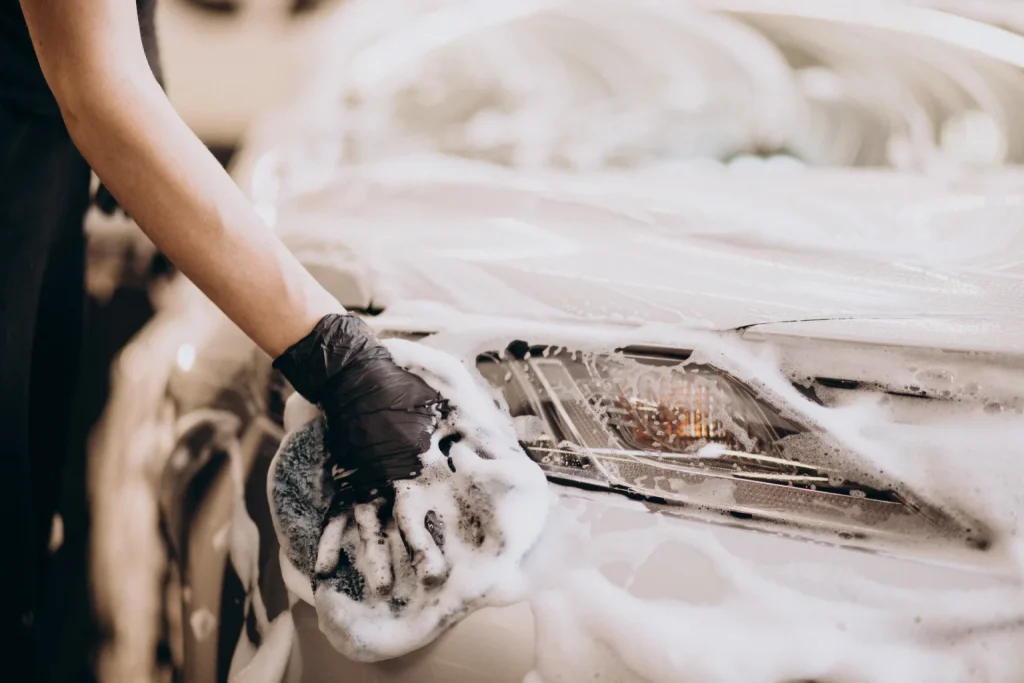
Gloss finishes are generally easier to maintain. Dirt and water bead off thanks to hydrophobic topcoats. You can wash with standard pH-neutral car soap and microfiber towels every 1-2 weeks. However, gloss does show fingerprints, smudges, and light dust more readily than satin.
Best practices:
- Wash regularly with gentle automotive shampoo
- Use soft microfiber mitts and towels
- Avoid automatic car washes – hand wash or touchless only
- Can be gently polished to maintain shine
- Apply PPF-safe ceramic coating for added gloss and easier cleaning
Satin PPF Maintenance
Satin requires slightly more careful maintenance but hides imperfections better. The low-sheen surface naturally disguises fingerprints, light dirt, and minor swirl marks – making it ideal for daily drivers who can’t wash constantly.
Best practices:
- Wash every 2-4 weeks with pH-neutral soap
- Never use wax or polish – these create shiny spots on satin
- Use matte-specific or PPF-safe cleaners only
- Avoid abrasive materials that can dull the finish
- Hand wash only – automatic washes can damage the texture
Experts from NathansDetailing note that finish choice should match both aesthetics and care habits. If you’re low-maintenance, satin is more forgiving. If you enjoy frequent detailing, gloss rewards that effort with maximum shine.
Expected Lifespan
With proper care, both finishes last 7-10 years. Premium films from brands like XPEL come with warranties guaranteeing performance for a decade or longer. The key is professional installation and consistent maintenance.
Cost Comparison and Installation Insights
Pricing Breakdown
The cost difference between gloss and satin PPF is minimal – usually within $200-500 for a full vehicle wrap. What really impacts price is:
- Vehicle size: Sedans ($4,000-$5,500), SUVs ($5,500-$7,500), sports cars ($6,000-$8,000+)
- Coverage area: Full body vs. partial (front bumper, hood, fenders)
- Film brand: Premium brands like XPEL, 3M, and SunTek cost more but offer superior warranties
- Installer expertise: Certified professionals charge more but deliver flawless results
Satin PPF tends to run slightly higher because it requires more precise installation – any imperfection shows more easily on a low-sheen surface.
Why Professional Installation Matters
Poor installation can ruin even the best film. Trapped air bubbles, misaligned edges, or dirt under the film make any finish look terrible. According to industry data, gloss PPF tends to highlight installation flaws more than satin, but both need expert application.
At Nathan’s Detailing, our certified technicians follow a meticulous process:
- Thoroughly clean and decontaminate the surface
- Use pre-cut patterns for precision fit
- Apply slip solution for perfect positioning
- Squeegee out all air bubbles and excess liquid
- Heat-seal edges for seamless integration
The result? A virtually invisible protective layer that enhances your car’s appearance rather than detracting from it.
Final Verdict: Which One Should You Choose?
The honest truth? There’s no wrong choice – only what’s right for your style and lifestyle.
Go with Gloss PPF if you:
- Want that classic, high-shine look
- Own a car with vibrant colors you want to amplify
- Prefer easier maintenance and cleaning
- Value traditional resale appeal
- Love the attention that comes with a mirror-like finish
Go with Satin PPF if you:
- Prefer modern, understated elegance
- Drive a dark-colored performance vehicle
- Want to reduce glare in bright conditions
- Like hiding fingerprints and minor imperfections
- Seek a custom look that stands out subtly
Many customers at Nathan’s Detailing even combine both – applying gloss to the body and satin to accents like the hood, roof, or mirrors. This two-tone effect adds depth and contrast without permanent paint changes.
Frequently Asked Questions
Q: What’s the difference between gloss and satin PPF?
A: Gloss PPF offers a high-shine, reflective finish that enhances your car’s original paint. Satin PPF provides a low-sheen, sophisticated appearance with reduced glare and better fingerprint concealment.
Q: Is satin PPF harder to maintain?
A: Slightly – satin requires matte-specific cleaners and you cannot use wax or polish. However, it hides dirt and imperfections better than gloss, requiring less frequent cleaning overall.
Q: Which finish is better for black cars?
A: Satin PPF creates a stunning stealth look on black vehicles, giving them a modern, high-end aesthetic. Gloss works too, but satin is trending among luxury car owners for that understated elegance.
Q: Can I switch from gloss to satin later?
A: Yes! PPF is removable without damaging your original paint. You can change finishes whenever you want, though you’ll need to pay for new film and installation.
Q: Does satin PPF affect resale value?
A: Not negatively – in fact, any PPF protects resale value by preserving your original paint. Satin may appeal more to enthusiasts, while gloss has broader traditional appeal.
Protect Your Investment with Nathan’s Detailing
Whether you choose gloss or satin, the most important decision is who installs your PPF. At Nathan’s Detailing, we specialize in premium paint protection film services for all vehicle types – from Teslas to Corvettes and everything in between.
Want to see how each finish looks in person? Schedule your free consultation today. We’ll show you real examples, discuss your specific needs, and help you choose the perfect finish for your style.
Ready to protect your car with professional PPF? Book your detailing appointment and drive with confidence knowing your investment is protected for years to come.
Found this guide helpful? Explore our other in-depth car protection guides below:
What is PPF for Cars
Bundle Services: Why Ceramic Coating, PPF & Tinting Work Best Together
Can You Apply PPF Over Existing Paint Damage?
Tesla Matte vs. Gloss PPF: Which Matches Your Style?
Partial vs. Full PPF: What’s Best for Your Budget and Car Type
How Cleveland Weather Damages Car Paint & How to Prevent It