


No. Ceramic coating is not a permanent modification to a car’s paint. Ceramic coating forms a durable protective layer over the original finish, but it can deteriorate through exposure and wear. Professional polishing can mechanically remove the coating, although the process may also remove some clear coat. After suitable surface preparation, a new ceramic coating can be applied.
Is ceramic coating a permanent modification to car paint?
No. Ceramic coating is a durable but removable aftermarket paint-protection treatment. The coating sits over a prepared vehicle finish and does not become an irremovable part of the factory paint system.
Some coating formulations establish chemical interactions with compatible substrates during curing. However, strong adhesion does not make a coating permanent or prevent mechanical removal.
To understand how a coating forms its protective surface, see our detailed guide to what ceramic coating is and how it works.
Does ceramic coating become part of the factory clear coat?
No. Ceramic coating forms a separate protective film over a compatible clear-coated surface. Its adhesion to the paint does not convert the entire factory clear coat into ceramic material.
The chemistry used to form that film varies between products. Silicon-dioxide-based and other reactive coating systems do not necessarily use identical bonding mechanisms.
Our guide to what automotive ceramic coating is made of explains the difference between film-forming chemistry, carrier materials, and the cured protective layer.
Does chemically bonded mean impossible to remove?
No. A chemically bonded ceramic coating may still be removed through suitable mechanical abrasion. Chemical adhesion and resistance to removal are related, but neither means the material cannot be worn away.
Why does ceramic coating degrade over time?
Ceramic coating can degrade because environmental exposure, mechanical abrasion, chemical contact, and repeated cleaning affect its protective surface. The rate and type of deterioration depend on the coating formulation and vehicle conditions.
Coating deterioration may be gradual and uneven. The hood, roof, doors, and lower body panels can experience different exposure and washing conditions.
| Degradation Factor | Potential Effect | What It Does Not Prove |
|---|---|---|
| Abrasion | Can remove or wear coating material. | That every panel deteriorates at the same rate. |
| Chemical exposure | May change coating properties. | That all coating chemistries respond identically. |
| Environmental exposure | Can contribute to gradual performance changes. | A fixed lifespan for every vehicle. |
| Surface contamination | Can mask hydrophobic behavior. | That the coating itself has disappeared. |
| Paint correction | Can deliberately abrade coating material. | That polishing affects only the coating. |

Can ceramic coating degrade without disappearing completely?
Yes. Ceramic coating can lose some surface properties before all coating material has been removed.
A reduction in visible water beading, for example, may result from contamination rather than complete coating failure.
Our hydrophobic ceramic coating guide explains why water beading and remaining coating durability should be evaluated separately.
Can ceramic coating be removed from car paint?
Yes. Ceramic coating can be mechanically removed from suitable automotive paint, often through professional polishing or compounding. The removal method depends on the formulation, remaining coating, and clear-coat condition.
Gtechniq’s coating guidance discusses the use of mechanical abrasion when dealing with cured ceramic coating material. However, the exact removal approach should follow the product manufacturer’s recommendations and the vehicle’s paint condition.
Can polishing remove ceramic coating without removing clear coat?
Polishing can remove coating material, but abrasive polishing may also remove a small amount of the underlying clear coat. The outcome depends on abrasive selection, equipment, technique, and existing paint thickness.
A professional should inspect the finish and decide whether correction is necessary before removing protection.
Can regular car shampoo remove ceramic coating?
Normal washing with compatible car shampoo is not intended to remove a properly cured professional ceramic coating.
Washing removes dirt and contamination. Abrasive correction removes material from the surface. They are not the same process.
How is ceramic coating professionally removed?
Professional ceramic coating removal begins with surface inspection, followed by an appropriate correction method and a final assessment of the remaining finish.
The process must account for the existing coating, paint history, clear-coat condition, and whether a new protective product will be installed.
Inspect
Determine the paint condition, coating history, contamination, and correction needs.
Correct
Select an appropriate polishing or compounding procedure where removal is necessary.
Prepare
Inspect and clean the treated paint before applying a compatible new protective system.
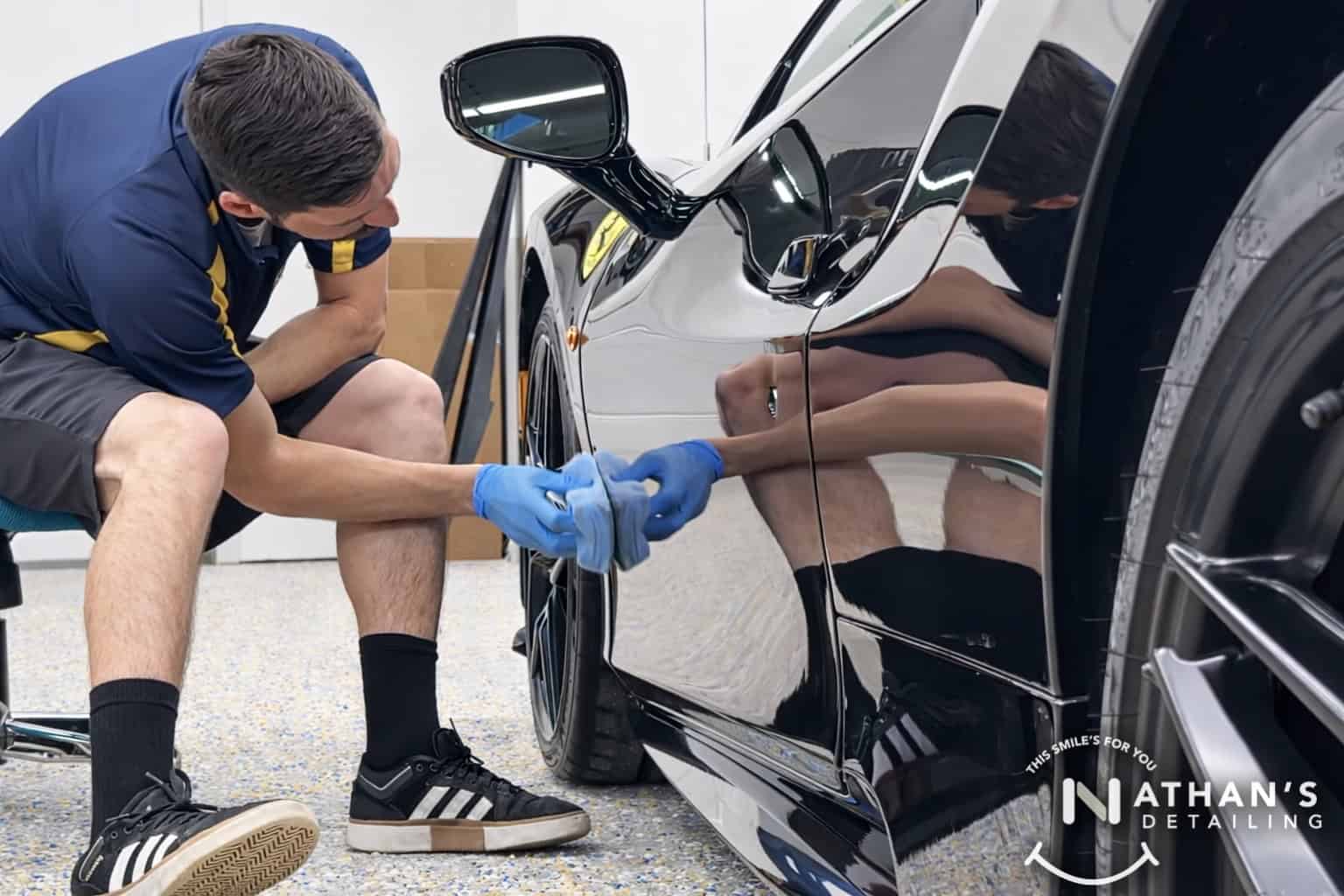
The distinction between preparation and protection is also explained in our article Is Ceramic Coating the Same as Mobile Car Detailing?
How can you tell whether ceramic coating needs removal?
Ceramic coating should be evaluated for removal when the existing finish requires corrective polishing, the coating has deteriorated significantly, or a replacement system requires a different prepared surface.
Reduced water beading alone is not sufficient evidence that complete removal is necessary.
| Surface Condition | Recommended Assessment | Potential Action |
|---|---|---|
| Dirty coating | Check for road film and contamination. | Compatible wash. |
| Weak water beading | Check for deposits or residue. | Clean and evaluate. |
| Paint defects need correction | Evaluate clear-coat condition. | Possible polishing and recoating. |
| Coating properties deteriorated | Inspect remaining protection. | Consider replacement. |
| Different coating planned | Review compatibility and preparation. | Manufacturer-directed preparation. |
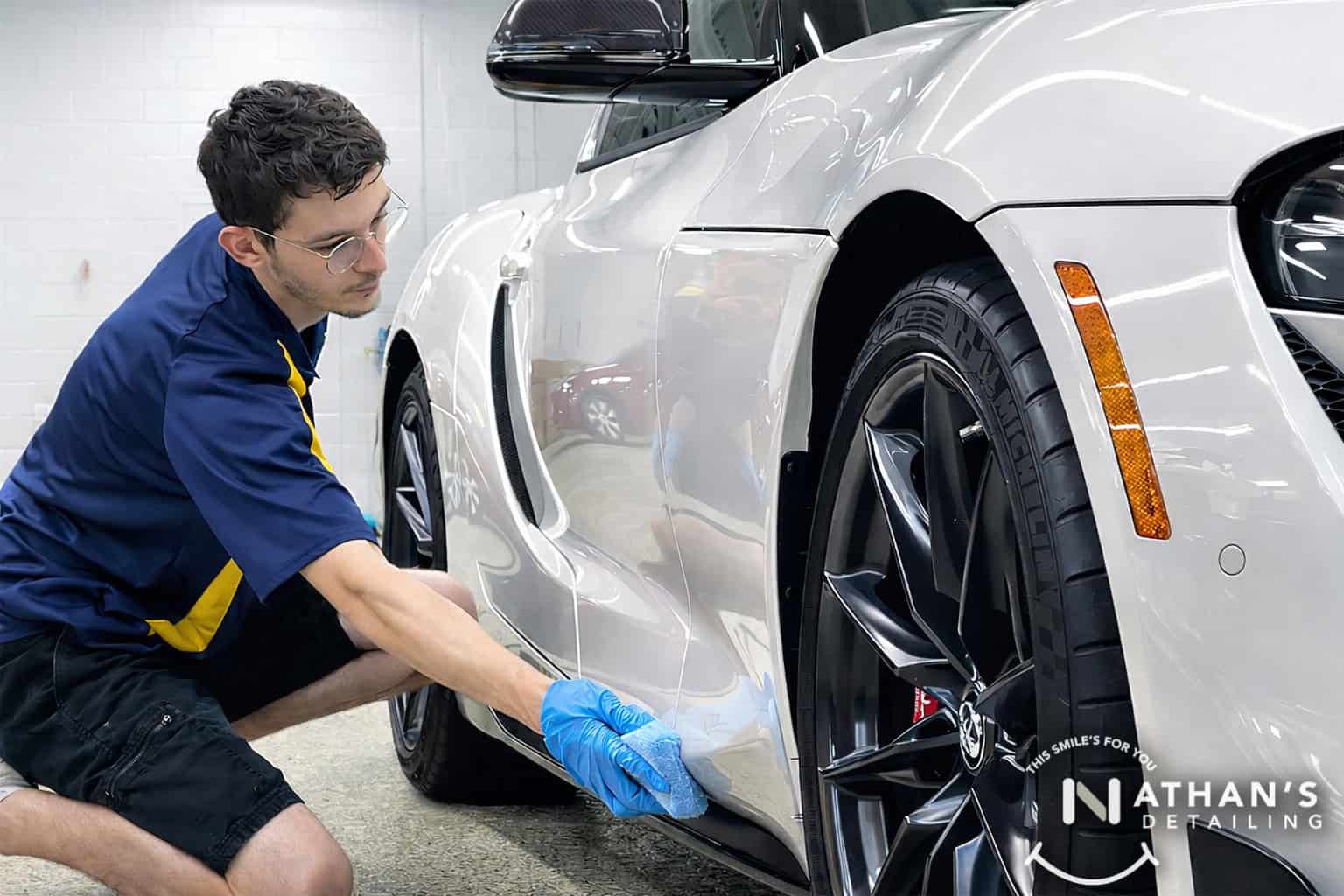
If the vehicle mainly requires cleaning rather than replacement, follow the applicable aftercare instructions. Our guide to vehicle care after detailing explains practical handling of existing protection and maintenance products.
Can ceramic coating be reapplied after removal?
Yes. Ceramic coating can be reapplied after the previously coated surface has been inspected and prepared for the replacement product.
Reapplication requires following the new coating’s substrate compatibility, application, and curing instructions.
Must all the old ceramic coating be removed before reapplication?
Not every maintenance treatment requires removal of the existing coating, but installing a new full coating must follow the replacement product’s preparation requirements.
A compatible topper and a complete new ceramic coating installation are different procedures. A topper may modify the exposed surface without replacing the original coating.
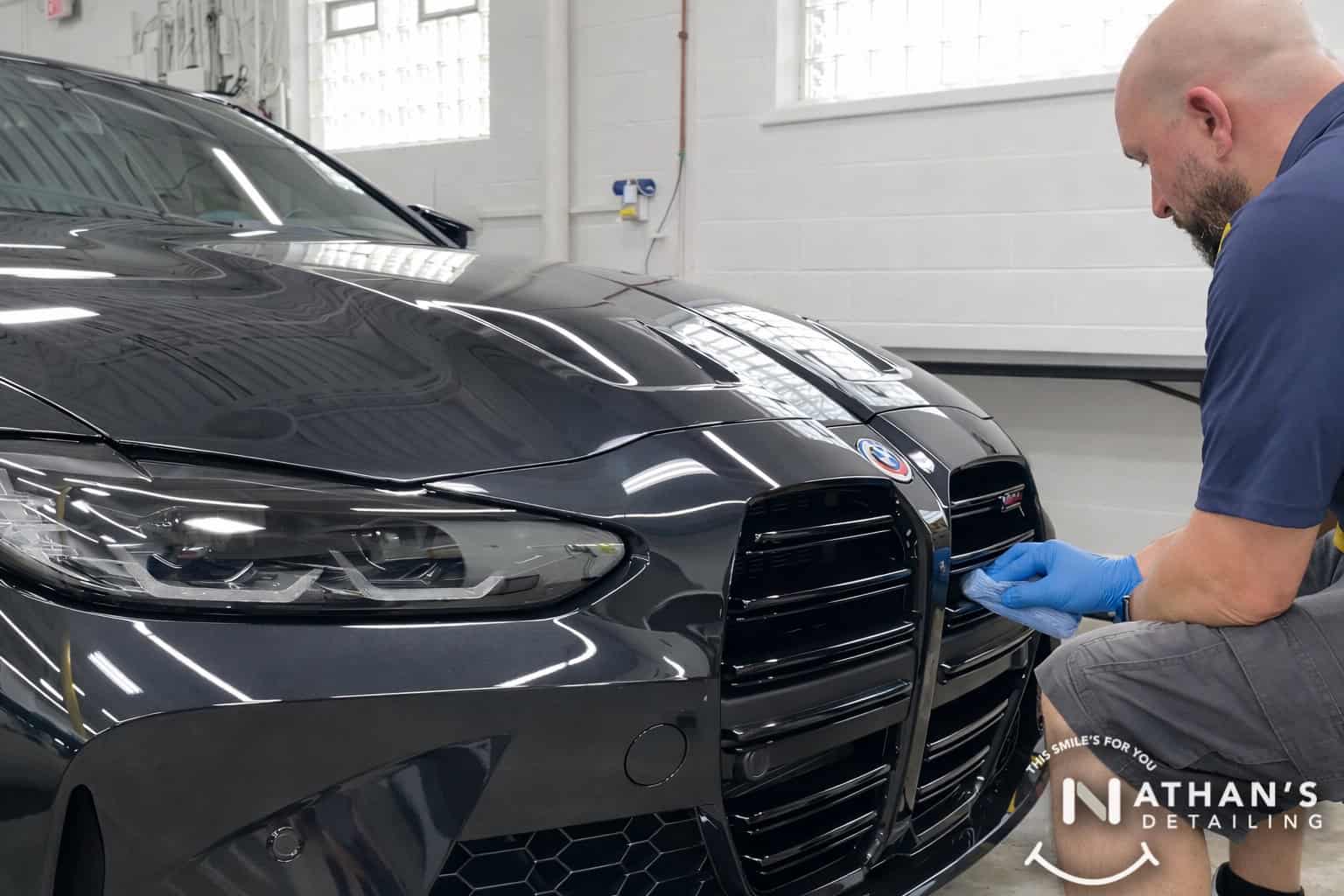
Does reapplication mean the vehicle needs repainting?
No. Reapplying ceramic coating does not normally require repainting when the existing paint remains suitable.
Painting and coating are separate operations. Repainting may be necessary for damaged automotive paint, not simply because a ceramic coating needs replacement.
Does a ceramic coating warranty mean the modification is permanent?
No. A multi-year ceramic coating warranty does not make the coating permanent. The warranty describes the manufacturer’s stated coverage and conditions, not an irreversible change to the vehicle.
Nathan’s Detailing offers professional XPEL coating packages with different advertised warranty periods. Each is subject to applicable maintenance and warranty terms.
You can review the current systems and coverage on our ceramic coating packages page.
Is ceramic coating more permanent than wax or paint protection film?
Ceramic coating can be more persistent than many conventional wax products, but ceramic coating, wax, and paint protection film are all finite forms of vehicle protection. They differ in structure and removal methods.
| Protection | Material Type | Can It Be Removed? |
|---|---|---|
| Ceramic coating | Liquid-applied cured surface film | Yes, using suitable correction methods. |
| Car wax | Applied surface-protection product | Yes, through cleaning, wear, or suitable removal products. |
| Paint sealant | Formulated protective surface product | Yes, depending on the product. |
| Paint protection film | Applied polymer sheet | Yes, using an appropriate film-removal procedure. |
For the difference between thin coating protection and a physical film, read about Nathan’s paint protection film services.
What does professional ceramic coating look like at Nathan’s Detailing?
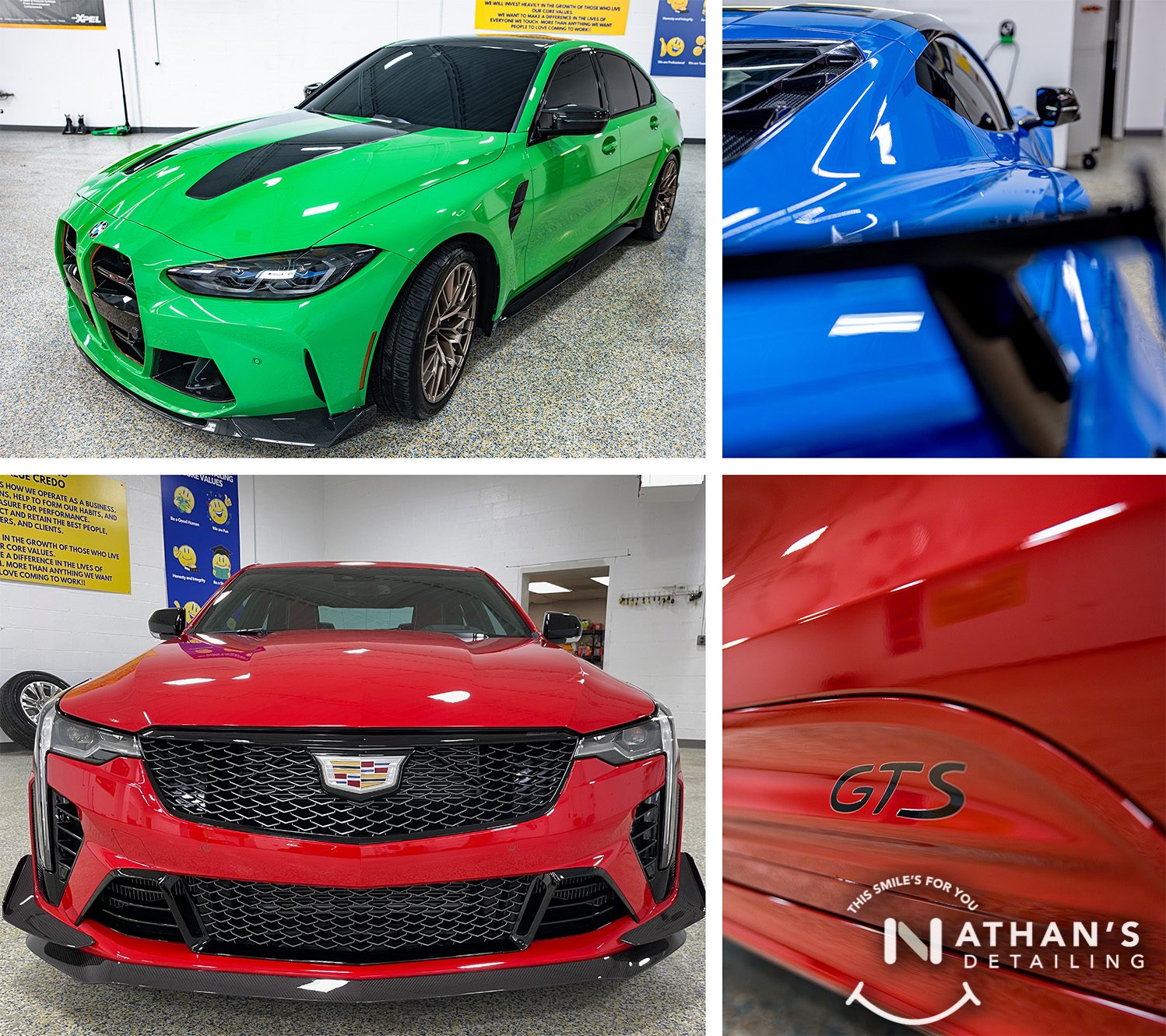
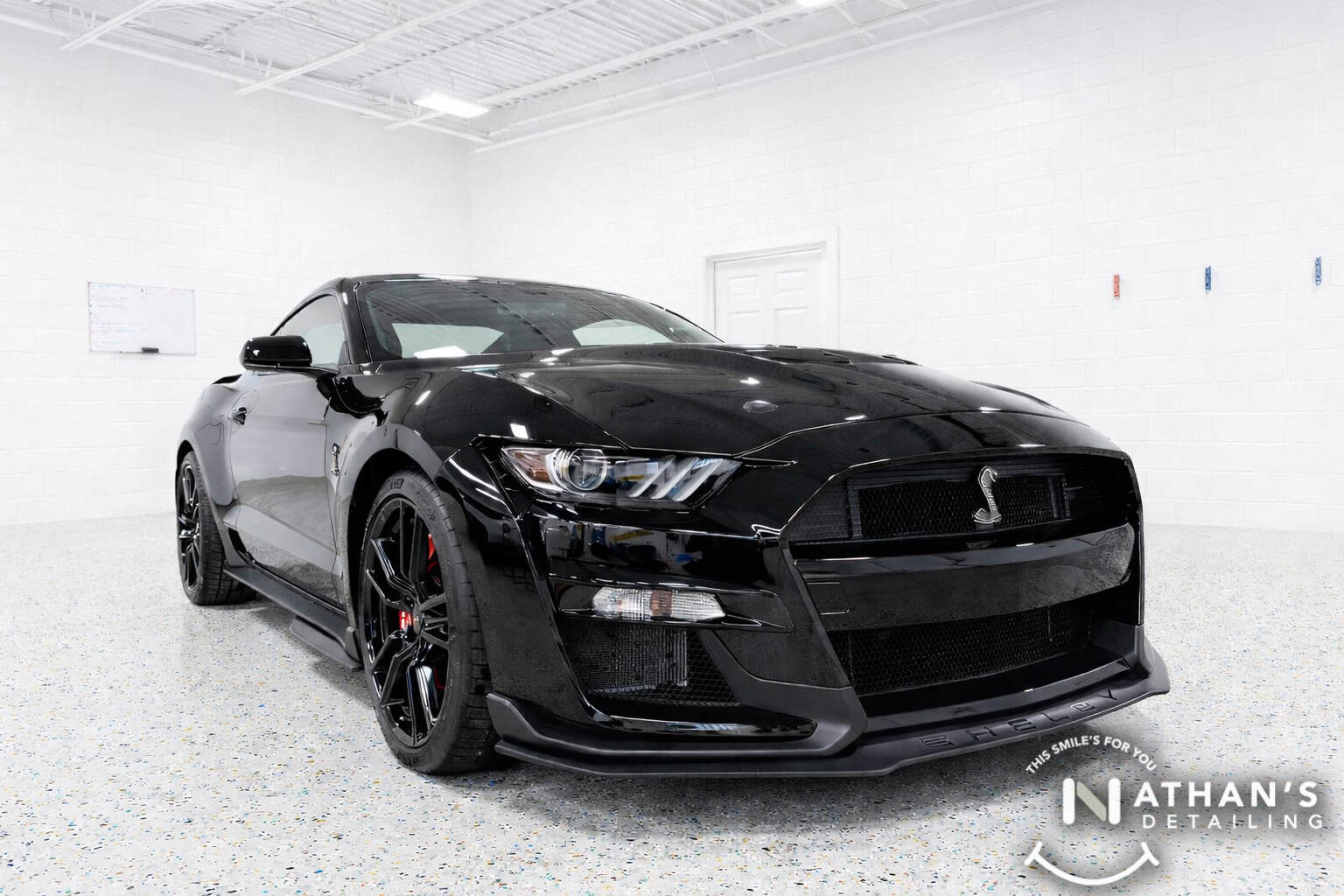
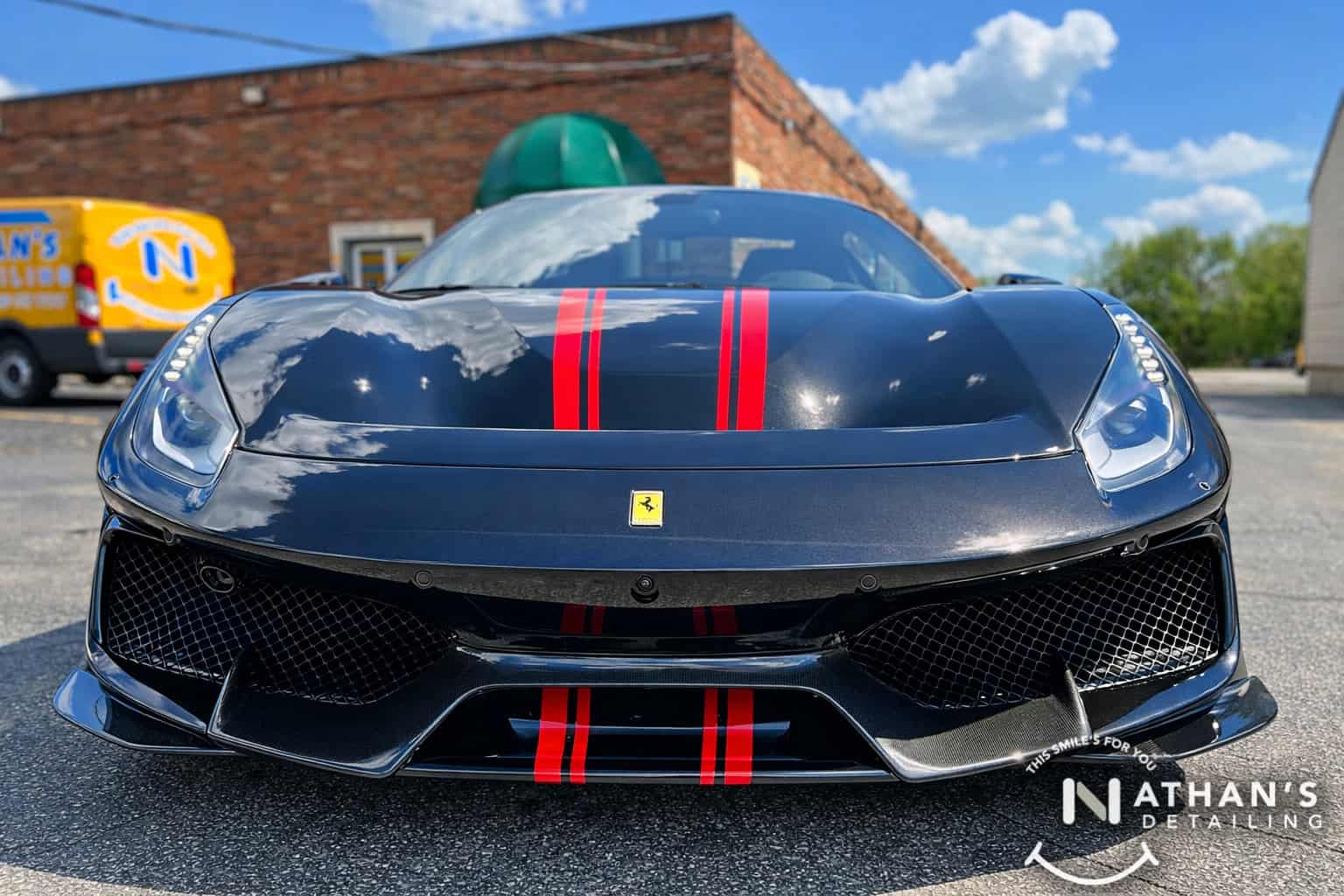
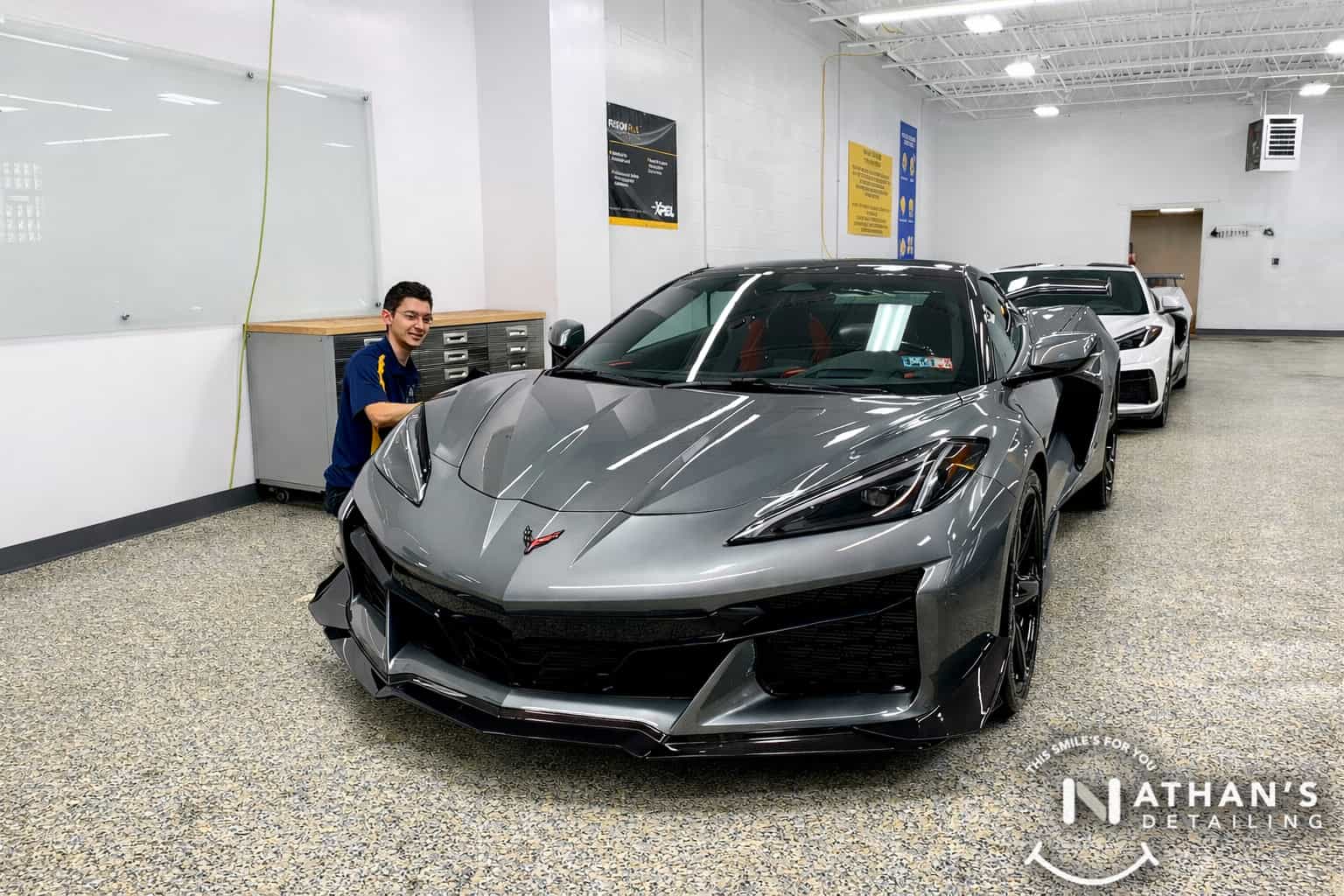
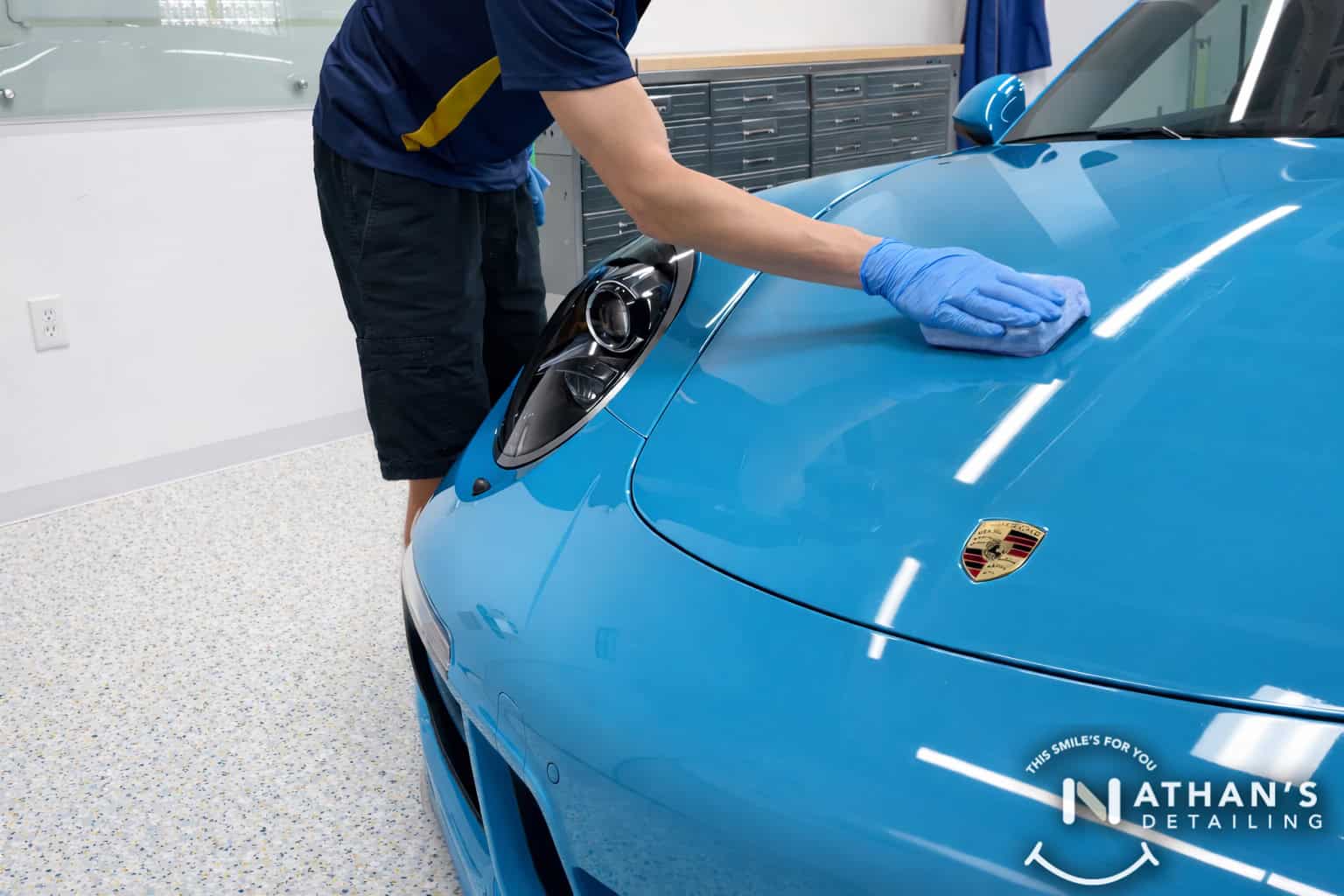
Nathan’s Detailing provides professional ceramic coating preparation and installation for Cleveland-area vehicles. The finished appearance depends on the vehicle’s paint condition, preparation, and installed system.
Our coating work is performed in a controlled studio environment. Current protection options and preparation inclusions are listed on the ceramic coating service page.
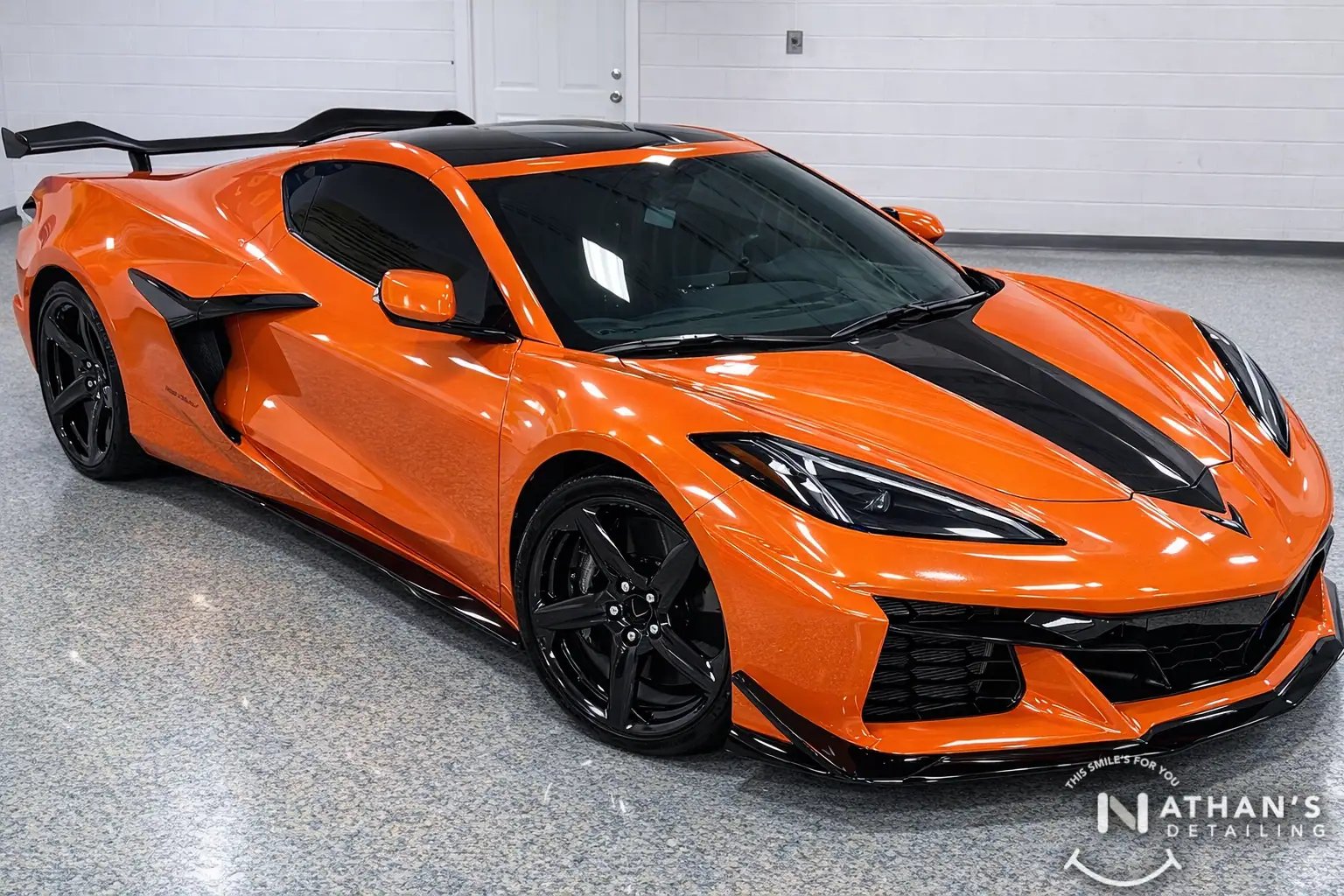

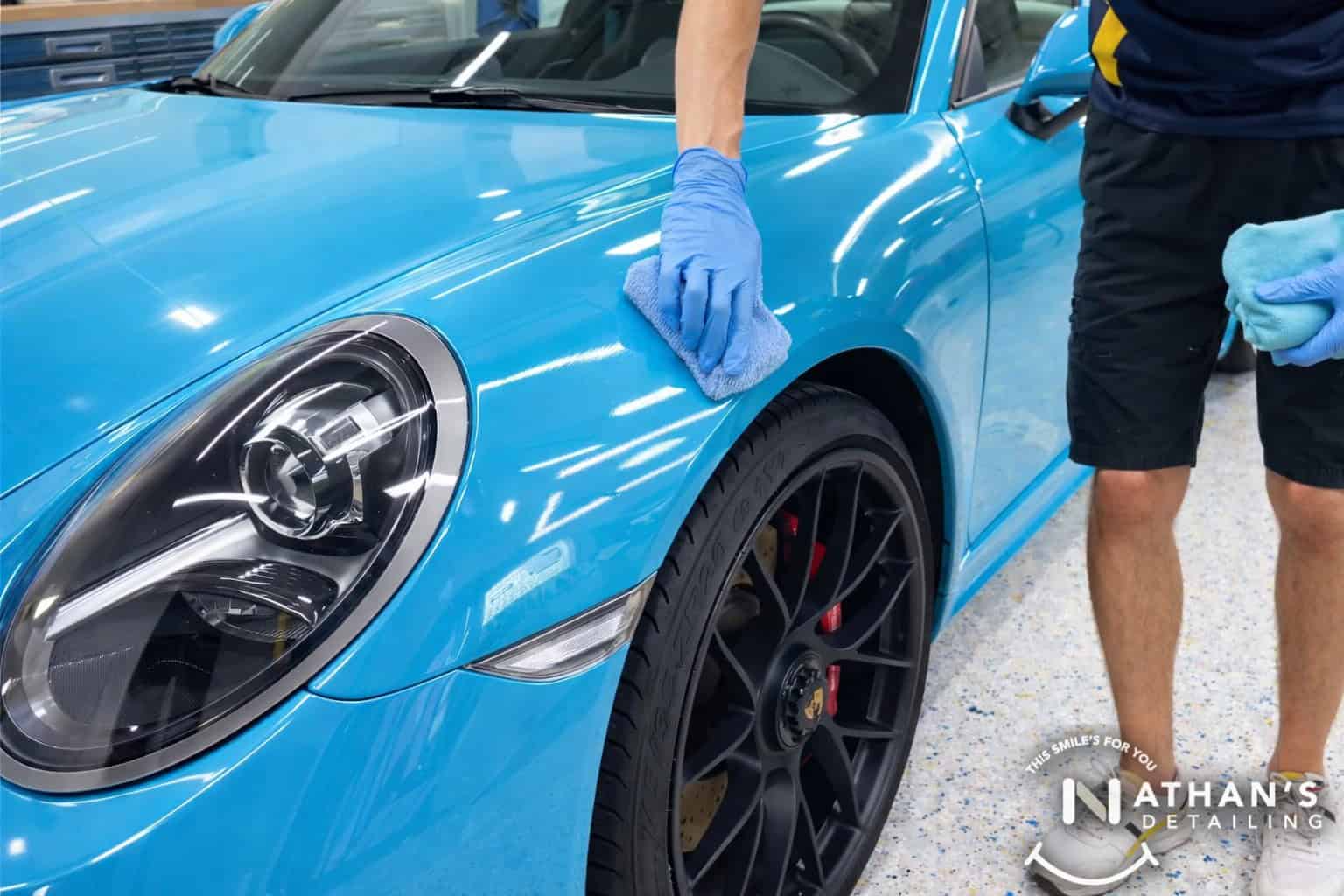
These photographs illustrate visible appearance. They do not establish that the protective coating is permanent, or prove its chemical or mechanical durability.
Considering Ceramic Coating for Your Vehicle?
Whether you are protecting a new vehicle or evaluating an existing finish, we can help you understand preparation requirements, coating packages, and maintenance expectations.
Explore Ceramic Coating ServicesFrequently asked questions about permanent ceramic coating
Is ceramic coating permanent?
No. Ceramic coating is durable but can degrade, be mechanically removed, and be reapplied.
Can polishing remove ceramic coating?
Yes. Appropriate mechanical polishing can remove many ceramic coatings, although the process may also abrade some factory clear coat.
Does chemical bonding make ceramic coating permanent?
No. Chemical interactions can improve adhesion, but they do not make a coating impossible to remove or immune to wear.
Can ceramic coating stop working without disappearing?
Yes. The visible surface properties may change through contamination or deterioration without proving total coating removal.
Can ceramic coating be applied twice?
Yes. A ceramic coating can be reapplied when the existing surface is prepared according to the selected product’s instructions.
Does a ceramic coating warranty prevent removal?
No. Warranty terms and physical removability are different concepts. Removal or improper maintenance may affect warranty coverage.
Can ceramic coating be removed without repainting?
Often yes, when the existing paint is suitable for correction. However, abrasive removal can affect clear coat and must be evaluated carefully.
Is ceramic coating a permanent modification?
No. Ceramic coating is a durable, finite-duration protective treatment that can deteriorate, be removed, and be reapplied.
- Ceramic coating is an aftermarket surface treatment.
- It does not replace factory clear coat.
- Chemical adhesion does not make it irreversible.
- Environmental exposure and abrasion can reduce performance.
- Water-beading changes do not always prove coating failure.
- Professional correction can remove coating material.
- Mechanical removal may also affect some clear coat.
- Reapplication is possible after suitable preparation.
Technical references and related guides
Nathan’s Detailing — What Is Ceramic Coating? How coating works on automotive paint.
Nathan’s Detailing — Automotive Ceramic Coating Ingredients. Film-forming chemistry and coating composition.
Nathan’s Detailing — Hydrophobic Ceramic Coating. Water beading and surface wetting.
Nathan’s Detailing — Ceramic Coating Services. Current installation options and warranty conditions.
Gtechniq — Ceramic Coating Technology. Manufacturer technical information.
Evidence disclosure: Ceramic coating chemistry, removal requirements, and degradation vary by product and vehicle condition. The images illustrate actual detailing subjects but are not controlled measurements of coating removal or remaining durability.