
NATHAN’S VEHICLE CARE GLOSSARY
Automotive Clear Coat
Automotive clear coat is the transparent outer layer of a modern automotive paint system. It protects the colored base coat, creates gloss and depth, and provides resistance to sunlight, weather and environmental contaminants.
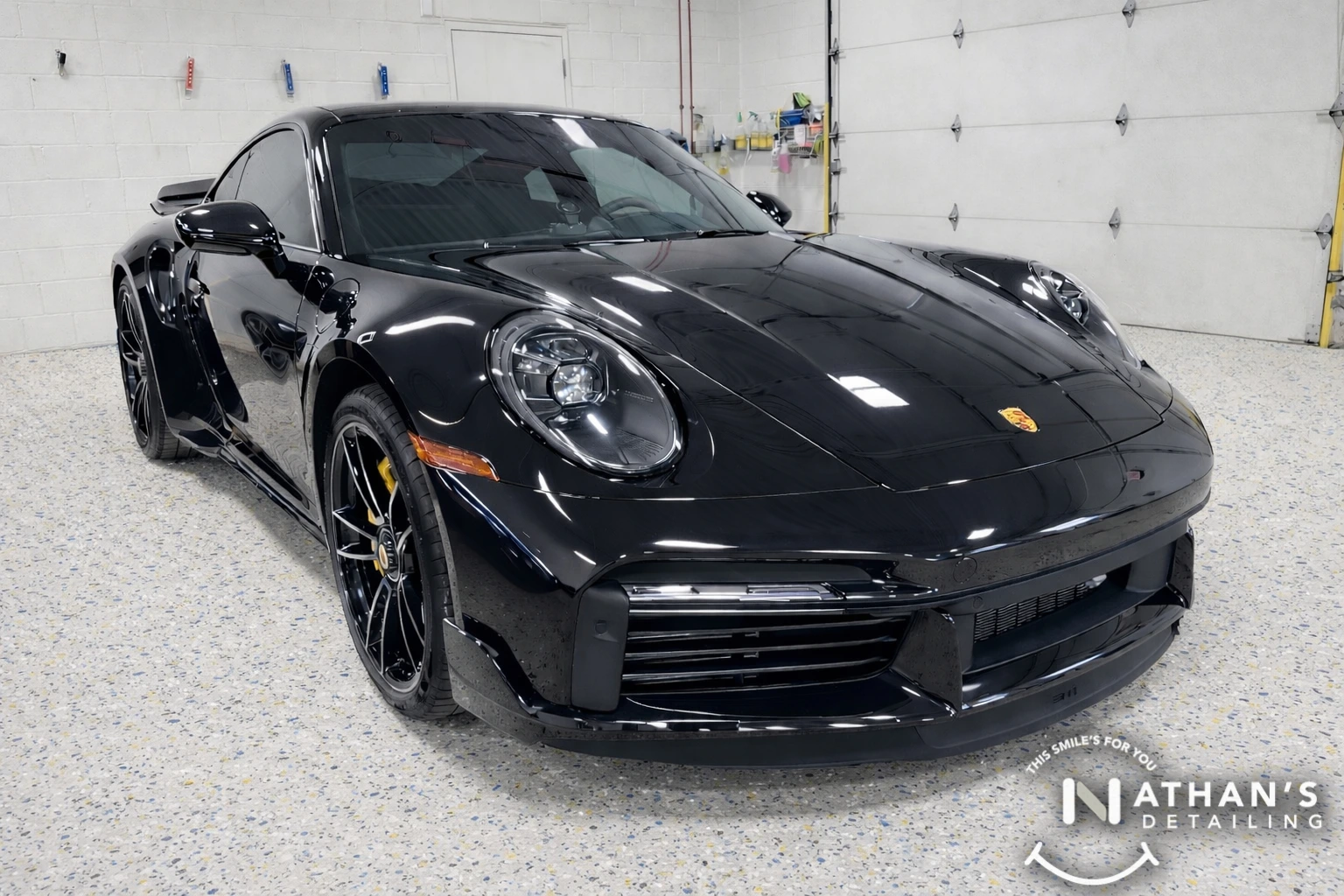
Automotive Clear Coat at a Glance
- Entity type
- Vehicle exterior paint component
- Broader entity
- Automotive Paint
- Position
- Above the colored base coat
- Primary functions
- Gloss, color protection and environmental resistance
- Common damage
- Swirl marks, scratches, oxidation, mineral deposits and paint etching
- Related protection
- Ceramic coating and paint protection film
How It Relates to Vehicle Paint
A typical factory finish includes primer, a colored base coat and clear coat. The base coat supplies color; automotive clear coat protects that color and produces most of the visible shine. Many defects described as being “in the paint” are actually located in this exposed transparent layer.
What Damages Clear Coat?
UV damage, road salt, bird droppings, insect residue, tree sap, water spots, automatic car-wash brushes and abrasive washing can degrade or mark clear coat. Prompt cleaning and a safe-wash method reduce unnecessary damage.
Correction and Protection
Paint correction can reduce eligible surface defects by carefully machine polishing healthy clear coat. Peeling, cracking or delamination usually requires body-shop refinishing.
Ceramic coating adds slickness, water behavior and contamination resistance. Paint protection film adds a thicker physical barrier against rock chips and light impacts. Neither product replaces failed clear coat.
Relevant Nathan’s Services
Related Entities
Quick Questions
Is clear coat the same as ceramic coating?
No. Clear coat is part of the paint system; ceramic coating is an aftermarket layer applied over it.
Can detailing repair peeling clear coat?
No. Peeling clear coat generally requires refinishing. Detailing can improve eligible surface defects only when healthy material remains.