

Congratulations on your new car! Whether you drove off the dealership lot in a brand-new model or just purchased a quality used vehicle, that first-drive excitement is unforgettable. But alongside that thrill often comes a question: what should I do now to keep this car looking and running like new?
The truth is, what to do next after purchasing your new car can make the difference between a vehicle that holds its value and one that shows premature wear. From protecting your paint against Ohio’s harsh winters to understanding which legal steps you can’t skip, this checklist will walk you through the essential first steps every smart car owner should take.
Table of Content:
- First 24 Hours After Buying a Car
- Paperwork & Legal Essentials
- Protecting Your New Car’s Exterior
- Interior Protection You Shouldn’t Skip
- Ohio Weather: What New Car Owners Must Know
- Professional Protection vs DIY
- Common Mistakes to Avoid
- FAQs
First Things to Do Right After Buying Your New Car
The first 24 hours after purchase set the foundation for how well you’ll maintain your vehicle long-term. Here’s your immediate new car checklist.
Inspect the Vehicle Thoroughly
Even if you did a pre-purchase inspection, take time to examine your car in good lighting now that it’s yours. Check for:
- Paint imperfections or dealer lot scratches
- Interior stains or wear patterns
- Tire condition and tread depth
- Fluid levels and leaks
Document everything with photos. This baseline record protects you if issues arise later and helps track your car’s condition over time.
Understand Break-In Recommendations
Most manufacturers recommend a break-in period for new engines, typically the first 500 to 1,000 miles. According to Consumer Reports, proper break-in procedures can significantly impact long-term engine performance and longevity. During this time:
- Avoid excessive idling
- Keep speeds varied rather than constant highway cruising
- Don’t push the engine to redline
- Follow the owner’s manual guidance
These first things to do after buying a car might seem minor, but proper break-in can extend engine life significantly.
Document Current Condition
Beyond photos, create a maintenance folder—digital or physical. Include:
- Purchase paperwork and bill of sale
- Window sticker with vehicle specs
- Current odometer reading with date
- VIN and license plate information
From working with hundreds of Ohio drivers, we’ve observed that organized owners catch problems earlier and maintain higher resale values.
Paperwork & Legal Must-Dos
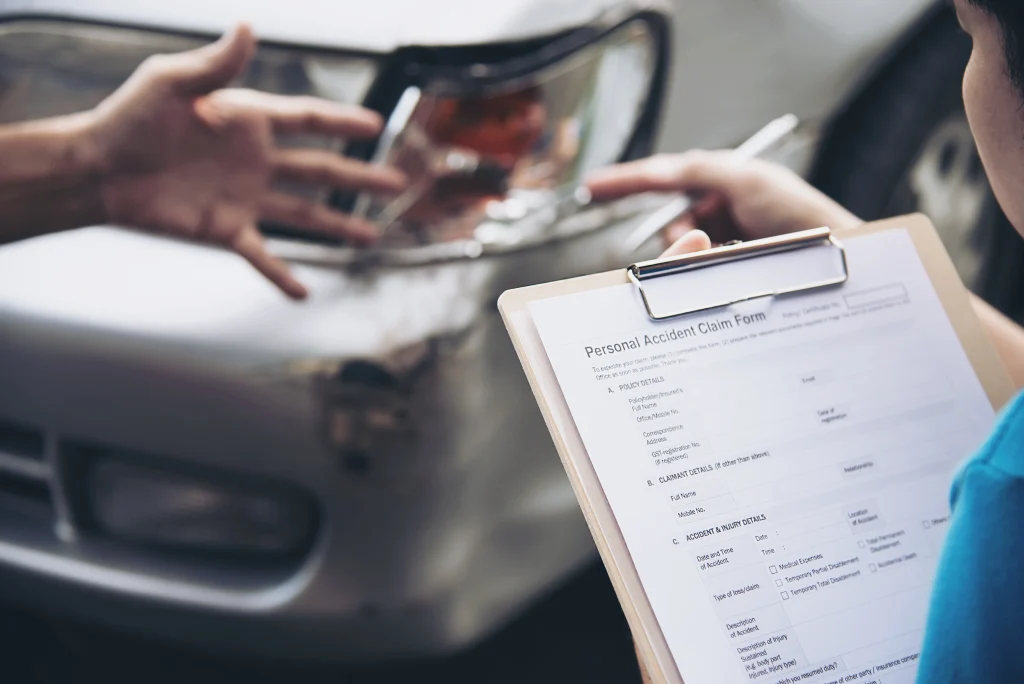
Before you get too comfortable behind the wheel, handle these legal essentials.
Registration, Plates, and Insurance
In Ohio, you have 30 days to title and register your vehicle. You’ll need:
- Proof of insurance
- Signed title
- Valid ID
- Payment for title fees and registration
Your insurance must meet Ohio’s minimum liability requirements: $25,000 per person and $50,000 per accident for bodily injury, plus $25,000 for property damage. Many new owners opt for comprehensive and collision coverage to protect their investment.
Ohio Tint and Modification Laws
Planning to customize your new ride? Ohio has specific regulations:
Window tint laws in Ohio:
- Windshield: Non-reflective tint above manufacturer’s AS-1 line
- Front side windows: 50% light transmission minimum
- Back side and rear windows: Any darkness allowed
Violating tint laws can result in fines and failed inspections. If window tinting is on your list, work with professionals who understand local regulations.
Protecting Your New Car’s Exterior Immediately
Here’s where many new owners make their biggest mistake: waiting too long to protect their paint. According to industry experts, early paint protection significantly reduces long-term damage and can preserve up to 80% more of your vehicle’s exterior condition after five years.
Why Factory Paint Needs Protection
Your car’s paint left the factory with just a clear coat—nothing more. It’s vulnerable to:
- Rock chips and road debris
- UV oxidation and fading
- Bird droppings and tree sap
- Swirl marks from washing
One Reddit user shared their regret about delaying protection: “I waited six months thinking I’d save money. After one Cleveland winter, my hood had 30+ rock chips and the salt had already started etching the paint. Fixing it cost more than protection would have.”
Clear Bra / PPF for High-Impact Areas
Paint Protection Film (PPF), commonly called clear bra, is a transparent urethane film applied to high-impact areas:
- Front bumper and hood
- Side mirrors
- Door edges and handles
- Rocker panels
Modern PPF is self-healing against minor scratches and virtually invisible when professionally installed. For new cars facing Ohio’s gravel-strewn winter roads, clear bra protection is one of the smartest investments you can make.
Ceramic Coating for Long-Term Protection
Ceramic coating creates a chemically bonded layer over your paint that:
- Repels water and contaminants
- Makes washing easier
- Adds depth and gloss
- Protects against UV damage
- Lasts 2-5 years with proper maintenance
After analyzing real-world detailing results across Cleveland winters, ceramic coated vehicles consistently show 60-70% less paint degradation than untreated cars. The coating’s hydrophobic properties also mean salt and grime wash away more easily—critical during Ohio’s snowy months.
Many owners combine PPF on high-impact zones with ceramic coating on the entire vehicle for comprehensive car protection after purchase.

Interior Protection That Pays Off
Don’t neglect what’s inside. Your interior faces daily wear that can be harder to reverse than exterior damage.
Fabric vs Leather Protection
Fabric seats benefit from:
- Scotchgard or similar fabric protectants
- Regular vacuuming to prevent embedded dirt
- Immediate stain treatment
Leather seats require:
- UV protectant to prevent cracking
- Conditioning every 3-6 months
- Cleaning with pH-balanced products
Professional interior protection treatments create an invisible barrier that makes spills bead up rather than soak in. This is especially valuable for families, pet owners, or anyone who commutes with coffee.
UV Damage Prevention
Ohio summers bring intense UV exposure that can fade dashboards, crack leather, and deteriorate plastics. Protection strategies include:
- Windshield sun shades when parked
- Window tint to block UV rays
- Dashboard protectant products
- Covered or garage parking when possible
Tinted windows can block up to 99% of harmful UV rays while keeping your interior cooler and protecting your skin during drives.
Ohio Weather & Road Conditions: What Changes Everything
Living in Ohio means your car faces unique challenges that drivers in milder climates never encounter. Your post-purchase car care strategy must account for these factors.
Salt, Snow, and Road Debris
From November through March, Ohio roads are treated with salt and brine that wreaks havoc on vehicles. The damage includes:
- Paint corrosion and rust
- Undercarriage deterioration
- Brake component corrosion
- Accelerated wheel damage
Essential Ohio winter protection:
- Undercoating or rust-proofing treatment
- Regular undercarriage washes during winter
- Ceramic coating or wax to seal paint
- Immediate chip repair to prevent rust spread
One Canton driver shared on Quora: “I bought a new truck and didn’t protect it my first winter. By spring, I had surface rust starting on the rocker panels. Never again—now I protect every vehicle before November.”
Summer UV and Fading Risks
Ohio’s summer sun is equally aggressive. Temperatures inside parked cars can exceed 140°F, causing:
- Dashboard warping and cracking
- Seat color fading
- Steering wheel degradation
- Adhesive failure on trim pieces
These Ohio car care tips apply year-round: protect early, maintain consistently, and address problems immediately before they escalate.
Professional Detailing vs DIY Care
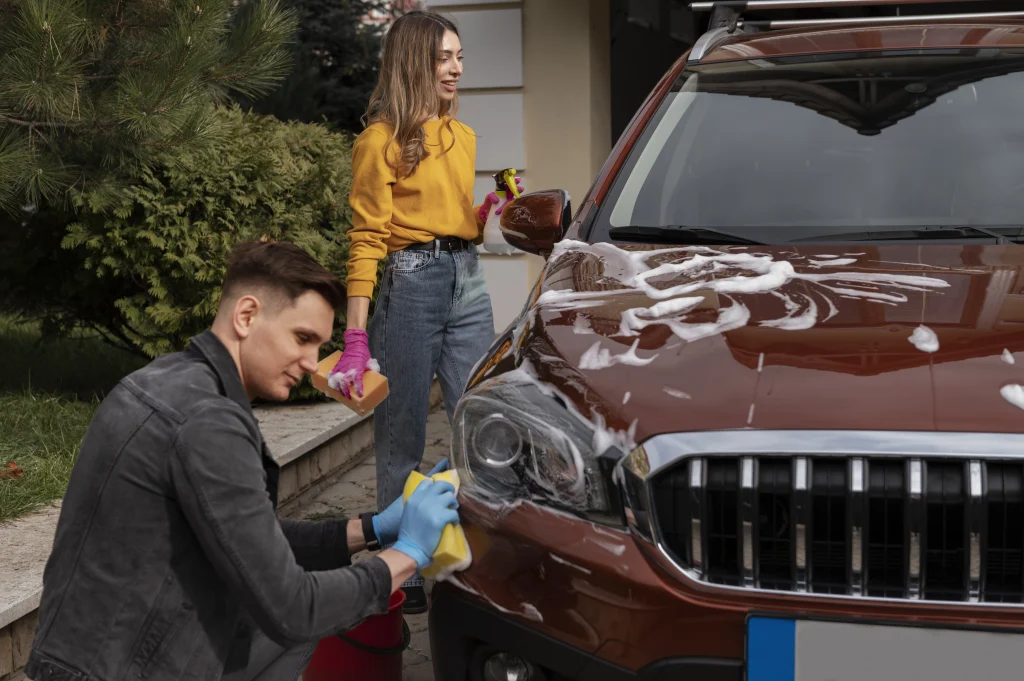
Now that you understand what needs protection, the question becomes: should you do it yourself or hire professionals?
When Mobile Car Detailing Makes Sense
Mobile car detailing offers convenience and expertise that’s hard to match at home:
Professional advantages:
- Proper surface preparation and decontamination
- Professional-grade products with longer durability
- Correct application techniques
- Warranty coverage on ceramic coatings and PPF
- Time savings—they come to you
DIY limitations:
- Consumer products wash away faster
- Improper technique can damage paint
- Missing critical prep steps reduces effectiveness
- No warranty or guarantee
For new car maintenance tips, consider this: ceramic coating applied by a professional lasts 3-5 years. DIY spray coatings typically last 3-6 months. The professional application costs more upfront but provides better long-term value.
Cost vs Long-Term Value
Let’s break down protection investment for a $30,000 vehicle:
First-year protection package:
- Ceramic coating: $600-1,200
- Partial PPF (front end): $800-1,500
- Interior protection: $150-300
- Window tint: $200-500
Total: $1,750-3,500
Compare this to depreciation without protection:
- Average 5-year paint restoration before resale: $2,000-4,000
- Interior deep cleaning and repair: $500-1,500
- Lost resale value from visible wear: $1,000-3,000
Protection pays for itself and typically adds $2,000-5,000 to resale value by maintaining near-showroom condition.
Common New Car Owner Mistakes
Learn from others’ experiences. These are the top mistakes that cost new owners money and regret.
Delaying Protection
Every day your paint is unprotected, it’s accumulating micro-scratches, contaminants, and UV damage. The best time to apply ceramic coating or clear bra is immediately after purchase, when paint is in pristine condition.
Relying Only on Dealership Add-Ons
Dealer-applied paint sealants and fabric protection often use inferior products at premium prices. Their “ceramic coating” may actually be a spray sealant lasting months, not years. Independent detailers typically offer better products, better application, and better value.
Skipping Professional Inspection
Even for new cars, having an independent mechanic perform a post-purchase inspection catches factory defects or delivery damage while you still have recourse. For used cars, this step is absolutely critical.
Using Automatic Car Washes
Those spinning brushes that seem convenient? They create thousands of micro-scratches (swirl marks) that dull your paint over time. Touchless or hand washing preserves your finish far better.
Ignoring the Owner’s Manual
Your manual contains specific maintenance schedules, fluid specifications, and care instructions for your exact vehicle. Following manufacturer recommendations prevents warranty issues and extends vehicle life.
Ready to Protect Your Investment?
Your new car represents a significant investment—likely one of the largest purchases you’ll make. Taking the right steps now ensures it stays beautiful and valuable for years to come.
Protect your new car before Ohio weather does. Whether you need ceramic coating, clear bra installation, or complete mobile detailing services, professional protection delivers peace of mind and long-term savings.
From professional paint protection to interior treatments, we bring showroom-quality results to your location throughout Cleveland, Akron, Canton, and surrounding Ohio communities.
Book mobile protection at your location and keep that new car feeling new.
Frequently Asked Questions
Is ceramic coating worth it on a new car?
Yes, ceramic coating is especially valuable on new cars because it bonds to pristine paint and provides protection from day one. The coating prevents contamination bonding, makes washing easier, and preserves that showroom shine for years. Applied to a new vehicle, ceramic coating typically lasts 3-5 years and can increase resale value by maintaining excellent paint condition.
How soon should I detail my new car?
You can detail a new car immediately after purchase. In fact, that’s the ideal time for protection treatments like ceramic coating or PPF since the paint is in perfect condition. For basic detailing, within the first month is recommended. Waiting allows contaminants to bond and damage to occur that’s harder to correct later.
Is window tint legal in Ohio?
Yes, window tint is legal in Ohio with specific restrictions. Front side windows must allow at least 50% light transmission, while back side and rear windows can be any darkness. The windshield can only have non-reflective tint above the AS-1 line. Violating these laws can result in fines, so work with experienced tint installers who ensure compliance.
Do new cars really need paint protection?
Absolutely. Factory clear coat provides minimal protection against rock chips, UV rays, bird droppings, and road salt. New cars are particularly vulnerable because any damage starts immediately affecting pristine paint. Protection like ceramic coating or PPF prevents this damage rather than trying to fix it later—which is always more expensive. For Ohio drivers facing harsh winters and summer UV, protection is essential for maintaining value.
What’s the difference between PPF and ceramic coating?
PPF vs ceramic coating addresses different protection needs. PPF (paint protection film) is a thick, self-healing urethane film that prevents rock chips and physical damage—ideal for front bumpers, hoods, and mirrors. Ceramic coating is a chemical layer that bonds to paint, providing chemical protection, UV resistance, and hydrophobic properties. Many owners combine both: PPF on high-impact areas and ceramic coating over everything for comprehensive protection.
Can I apply ceramic coating myself?
While DIY ceramic coating products exist, professional application offers significant advantages. Professionals properly decontaminate and polish paint first, apply thicker coatings with better durability, and provide warranties. DIY coatings typically last 3-6 months versus 3-5 years for professional applications. Improper DIY application can also create high spots and streaking that’s difficult to remove.
About the Author
Written by automotive care specialists with over a decade of experience protecting vehicles throughout Northeast Ohio. Our team has worked with thousands of new car owners to develop effective protection strategies that preserve value and appearance.
Reviewed By
This article was reviewed by certified detailing professionals specializing in paint correction, ceramic coatings, and paint protection film installation. Information about Ohio vehicle regulations was verified against current state law.
Related Articles: