
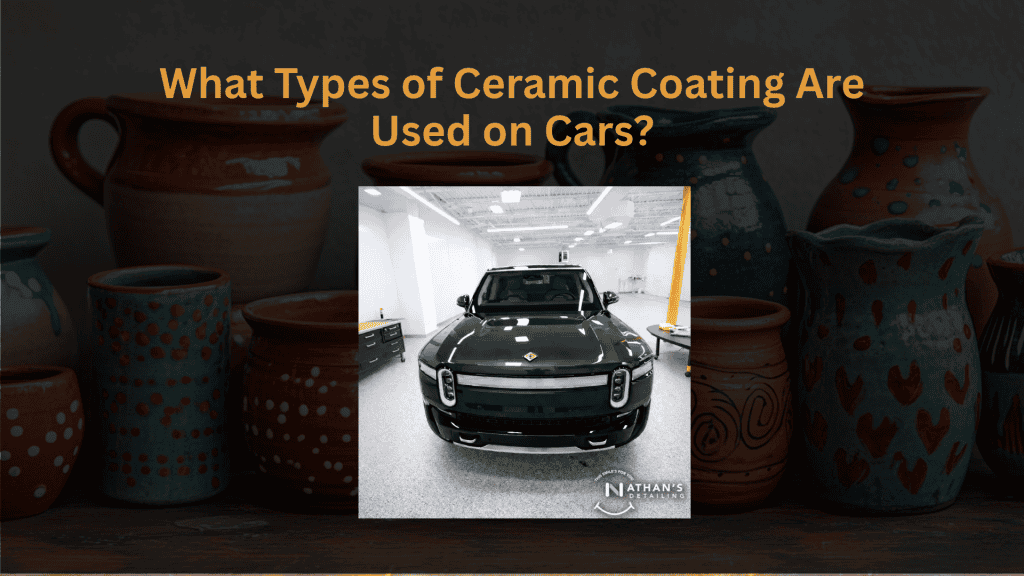

The main types of automotive ceramic coatings are silicon dioxide (SiO₂), silicon carbide (SiC), graphene-enhanced, titanium dioxide (TiO₂)-enhanced, hybrid, and spray-applied ceramic products. These categories describe ingredients or formulation approaches, not guaranteed levels of durability. Coatings differ in chemical composition, application requirements, water repellency, expected service life, and maintenance. The best choice depends on the vehicle’s condition, exposure, ownership plans, and the manufacturer’s installation requirements.
What are the different types of ceramic coating for cars?
Automotive ceramic coatings can be classified by their underlying chemistry, additives, and application format. Most are designed to form a protective surface film over properly prepared automotive clear coat.
A coating’s ingredients affect its properties, but its performance also depends on the complete formulation, bonding process, surface preparation, and curing conditions.
SiO₂-Based Coatings
Silica-based formulations that can create durable, water-repellent protective films.
SiC-Based Coatings
Products marketed around silicon carbide-related chemistry, with formulation-specific properties.
Graphene-Enhanced Coatings
Hybrid formulations containing graphene-related additives or materials.
TiO₂-Enhanced Coatings
Formulations incorporating titanium dioxide-related ingredients.
Hybrid Ceramic Coatings
Products combining different film-forming components and performance additives.
Ceramic Sprays
Consumer-friendly products generally designed for simpler application and shorter protection intervals.
What is SiO₂ ceramic coating?
SiO₂ ceramic coatings are automotive protective products built around silica-related chemistry. Many use reactive silicon-containing compounds that form a protective film as the product cures.
Properly formulated and installed coatings can improve surface water repellency, increase gloss, and help reduce the adhesion of some environmental contamination.
SiO₂ formulations vary considerably. Concentration alone does not determine coating quality because film formation, carrier chemistry, additives, and application conditions also matter.
What are the advantages of SiO₂ ceramic coatings?
- Water-repellent surface behavior
- Improved paint gloss when the surface is properly prepared
- Reduced adhesion of some contaminants
- Easier routine washing under suitable conditions
- Potentially durable protection when correctly installed and maintained
What is SiC ceramic coating?
SiC ceramic coatings are products marketed using silicon carbide-related materials or chemistry. Silicon carbide is a hard ceramic compound, but the hardness of bulk silicon carbide should not be treated as the hardness of a thin automotive coating containing related ingredients.
Manufacturers may position these coatings around chemical resistance, surface slickness, or durability. Those claims must be evaluated against the actual product specifications and test results.
Is SiC ceramic coating better than SiO₂?
SiC is not automatically better than SiO₂. Automotive coating performance depends on the entire formulation, installation, and maintenance system rather than a single advertised chemical abbreviation.
Compare products using documented durability, compatibility, installation requirements, maintenance instructions, and manufacturer warranty terms.
What is graphene ceramic coating?
Graphene ceramic coating is a marketing category for protective products incorporating graphene-related additives into a coating formulation. The term does not necessarily mean that a pure graphene layer covers the vehicle.
These products may use conventional coating components with graphene-related materials added to change surface properties.
Does graphene make ceramic coating stronger?
Graphene additives do not guarantee better protection. Performance depends on the additive’s form, concentration, dispersion, the surrounding coating chemistry, and verified testing.
When comparing graphene-enhanced coatings with conventional ceramic products, prioritize demonstrated water behavior, chemical resistance, installation quality, and durability rather than the word graphene alone.
What is titanium dioxide ceramic coating?
TiO₂-enhanced ceramic coatings incorporate titanium dioxide-related components into the product formulation. Titanium dioxide is used in multiple industrial coating technologies, but the behavior of an automotive coating depends on its complete composition.
TiO₂ can be associated with optical and photocatalytic properties under appropriate conditions. These characteristics should not be assumed to exist at meaningful levels in every automotive product advertised as a titanium coating.
Does titanium ceramic coating protect against UV damage?
UV-related protection must be evaluated at the product level. An ingredient’s known properties do not establish the finished coating’s performance without relevant testing.
For exterior automotive paint, the existing clear coat, coating formulation, maintenance, and vehicle exposure all contribute to long-term appearance.
What are hybrid ceramic coatings?
Hybrid ceramic coatings combine multiple film-forming components or additives to achieve a particular balance of application ease, surface behavior, and durability.
A hybrid coating may combine silicon-based chemistry with polymers, resins, or other performance additives. Because hybrid is a broad category, two hybrid coatings may have very different application requirements and expected lifespans.
What is spray ceramic coating?
Spray ceramic coatings are liquid protection products designed for simplified application through spraying and wiping. Many consumer formulations are maintenance-oriented rather than equivalent substitutes for professionally installed, longer-duration coatings.
Spray products can provide water repellency and improve surface slickness. However, their performance and reapplication intervals vary.
Can ceramic spray replace professional ceramic coating?
Ceramic spray is not a direct replacement for every professional coating. A spray product may be suitable for short-term protection or compatible maintenance, while a professional coating may require more involved surface preparation and controlled curing.
Use maintenance products according to the installed coating manufacturer’s instructions.
How do different ceramic coating types compare?
Ceramic coating types differ primarily in advertised chemistry, application format, and the performance claims that must be verified for each specific product.
| Coating Type | Main Distinction | What to Evaluate |
|---|---|---|
| SiO₂ | Silica-related coating chemistry | Film durability, water repellency, maintenance |
| SiC | Silicon carbide-related positioning | Verified chemical and surface performance |
| Graphene-enhanced | Graphene-related additives | Documented benefits compared with conventional products |
| TiO₂-enhanced | Titanium dioxide-related ingredients | Actual tested optical and protective properties |
| Hybrid | Combination formulation | Compatibility, installation, lifespan |
| Spray ceramic | Simpler application format | Maintenance interval and manufacturer instructions |
What is the difference between professional and DIY ceramic coating?
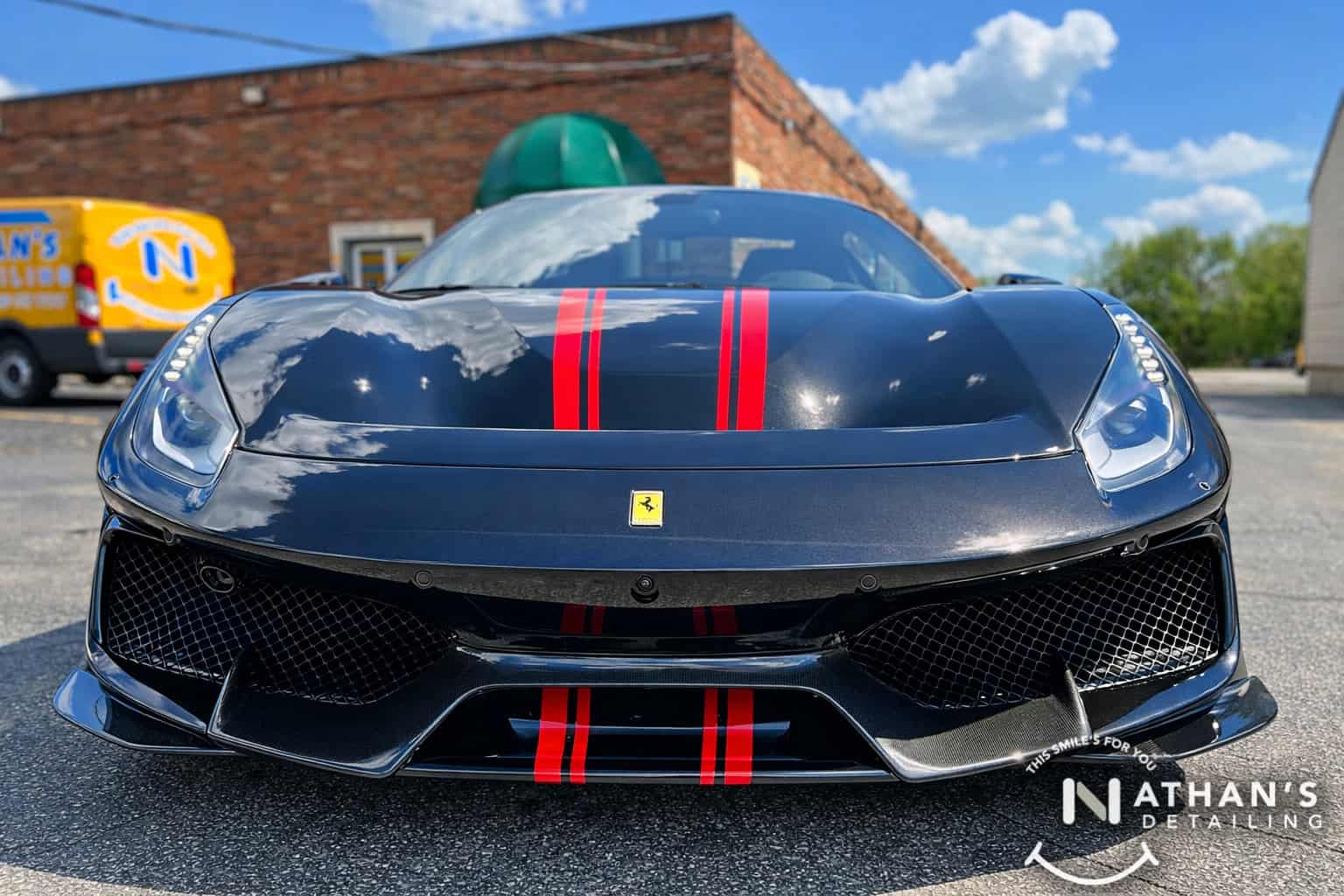
Professional ceramic coating involves surface assessment, decontamination, appropriate paint preparation, controlled application, and curing according to product requirements. DIY coatings vary in complexity and may be designed for easier consumer installation.
Why does surface preparation matter?
Surface preparation helps the coating adhere to a clean, suitable substrate. Residual contaminants, polishing oils, or existing defects can compromise application quality or final appearance.
Paint correction may improve visible defects before installation, but the amount of correction required depends on the vehicle’s actual paint condition.
What does ceramic coating protect against?
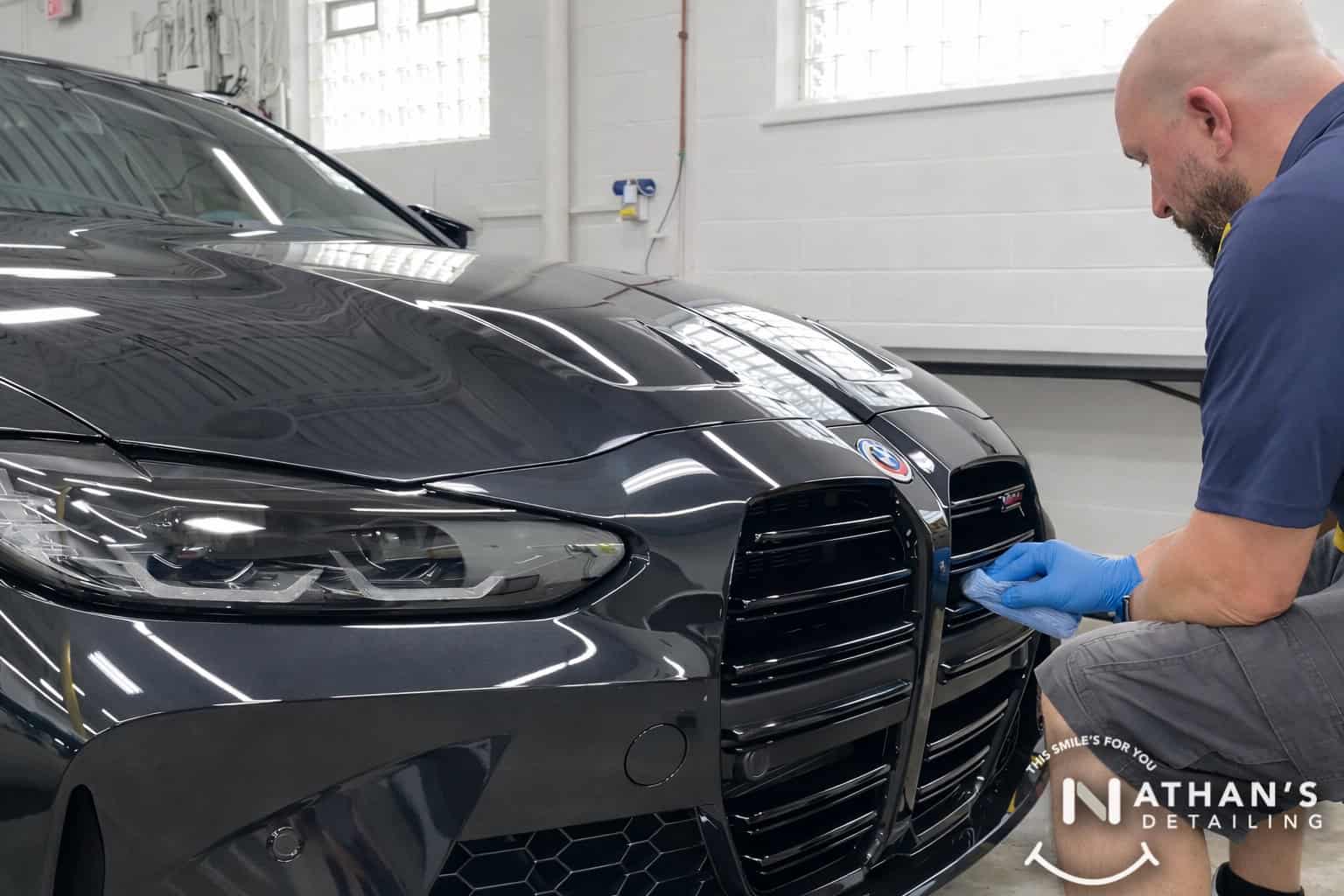
Automotive ceramic coating can improve water repellency, reduce adhesion of certain contaminants, and support easier routine cleaning. Its protective limits depend on the product formulation and the type and duration of exposure.
- Water and road grime may be easier to remove.
- Some contamination may adhere less strongly to the surface.
- Gloss can be enhanced when the underlying paint is properly prepared.
- Routine maintenance may become more manageable.
What does ceramic coating not protect against?
Ceramic coating does not make a vehicle scratch-proof, chip-proof, or maintenance-free. Road debris, improper washing, aggressive chemicals, and prolonged contamination can still damage the coating or underlying paint.
Drivers primarily concerned with physical impact protection should compare ceramic coating with paint protection film, which serves a different protective function.
Which ceramic coating type is best for cars in Northeast Ohio?
The best ceramic coating for a Northeast Ohio vehicle is the product whose tested properties, maintenance requirements, and warranty fit the vehicle’s actual exposure and ownership plans.
Cleveland-area vehicles can encounter winter road salt, slush, industrial fallout, road grime, and seasonal temperature changes. These conditions make regular washing and suitable paint protection important.
For daily drivers, coating selection should account for how frequently the vehicle is washed, where it is parked, its annual mileage, and how long the owner expects to keep it.

Does ceramic coating prevent road salt damage?
Ceramic coating can help with surface cleaning, but it does not completely prevent road salt damage. Salt residue must still be removed from painted surfaces, wheels, and vulnerable vehicle areas.
A ceramic coating is not a substitute for underbody corrosion protection or routine winter vehicle care.
What ceramic coating options does Nathan’s Detailing offer?
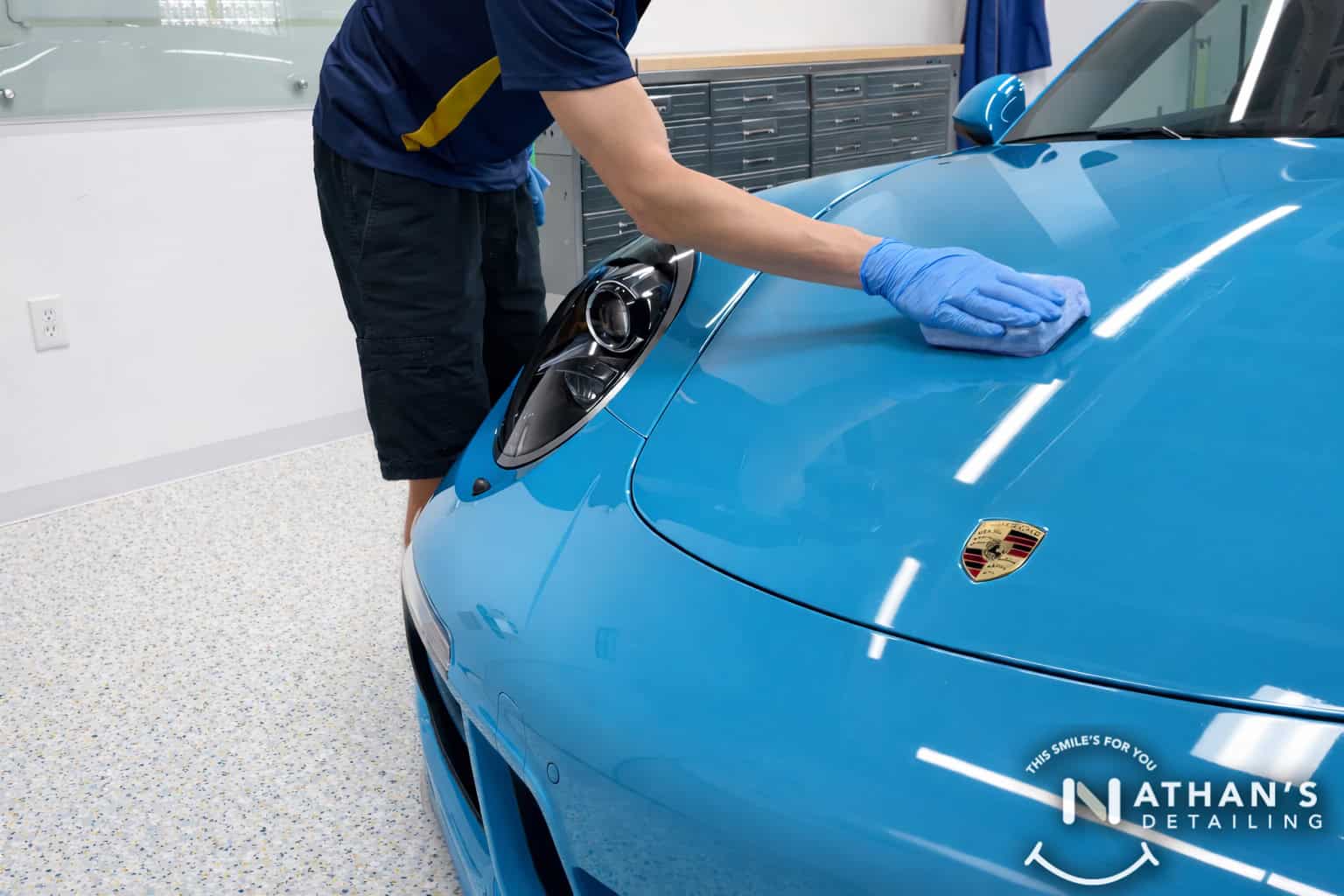
Nathan’s Detailing offers professional ceramic coating services through its automotive protection program. Our current service information includes XPEL Fusion, Fusion Plus, and Fusion Plus Premium options, with advertised warranty periods of 2, 5, and 8 years respectively.
These warranty periods describe specific service packages and their terms. They should not be interpreted as a universal durability claim for an entire chemistry category.
Customers should review the current ceramic coating service options, included preparation, covered surfaces, maintenance requirements, and warranty conditions before selecting a package.
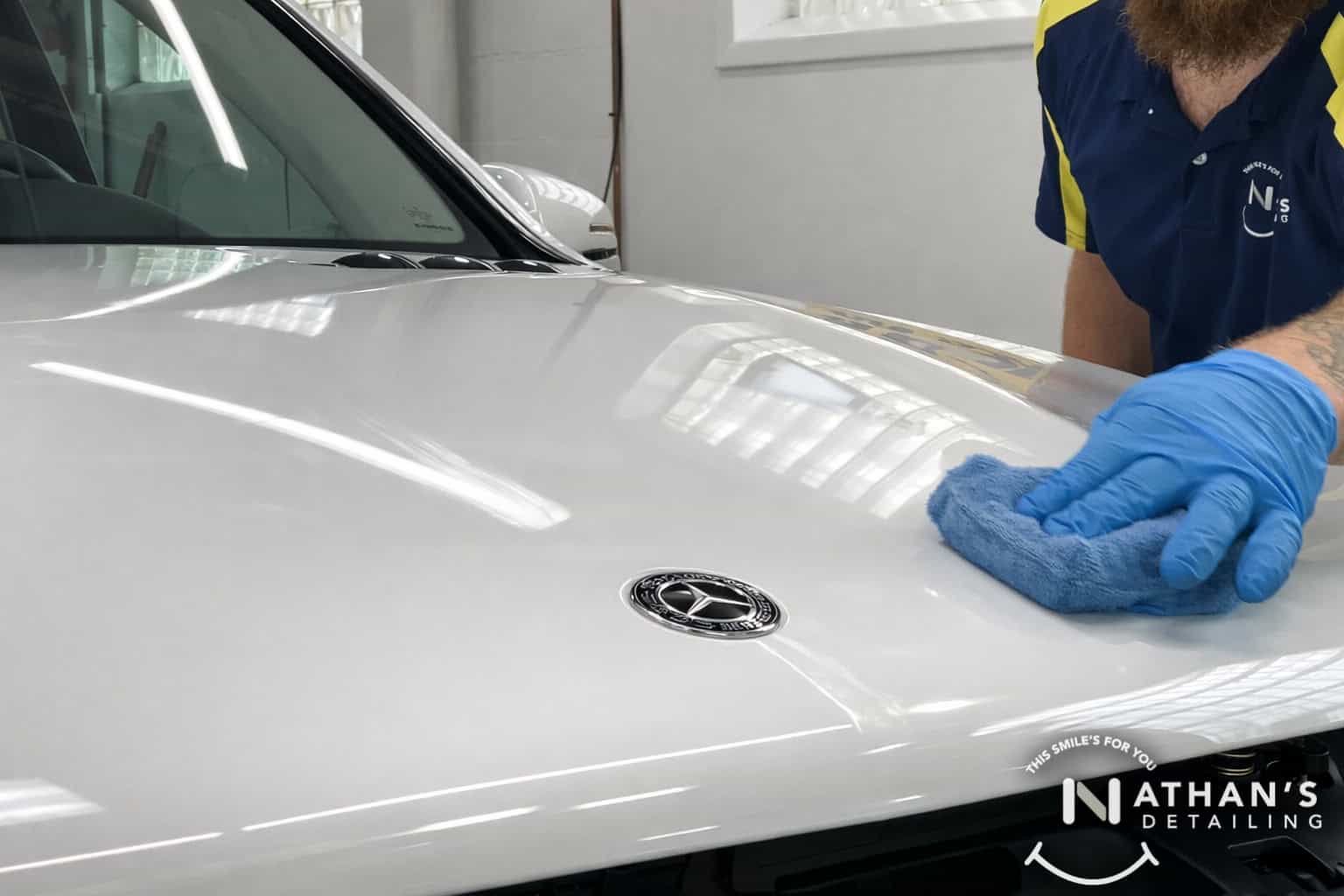
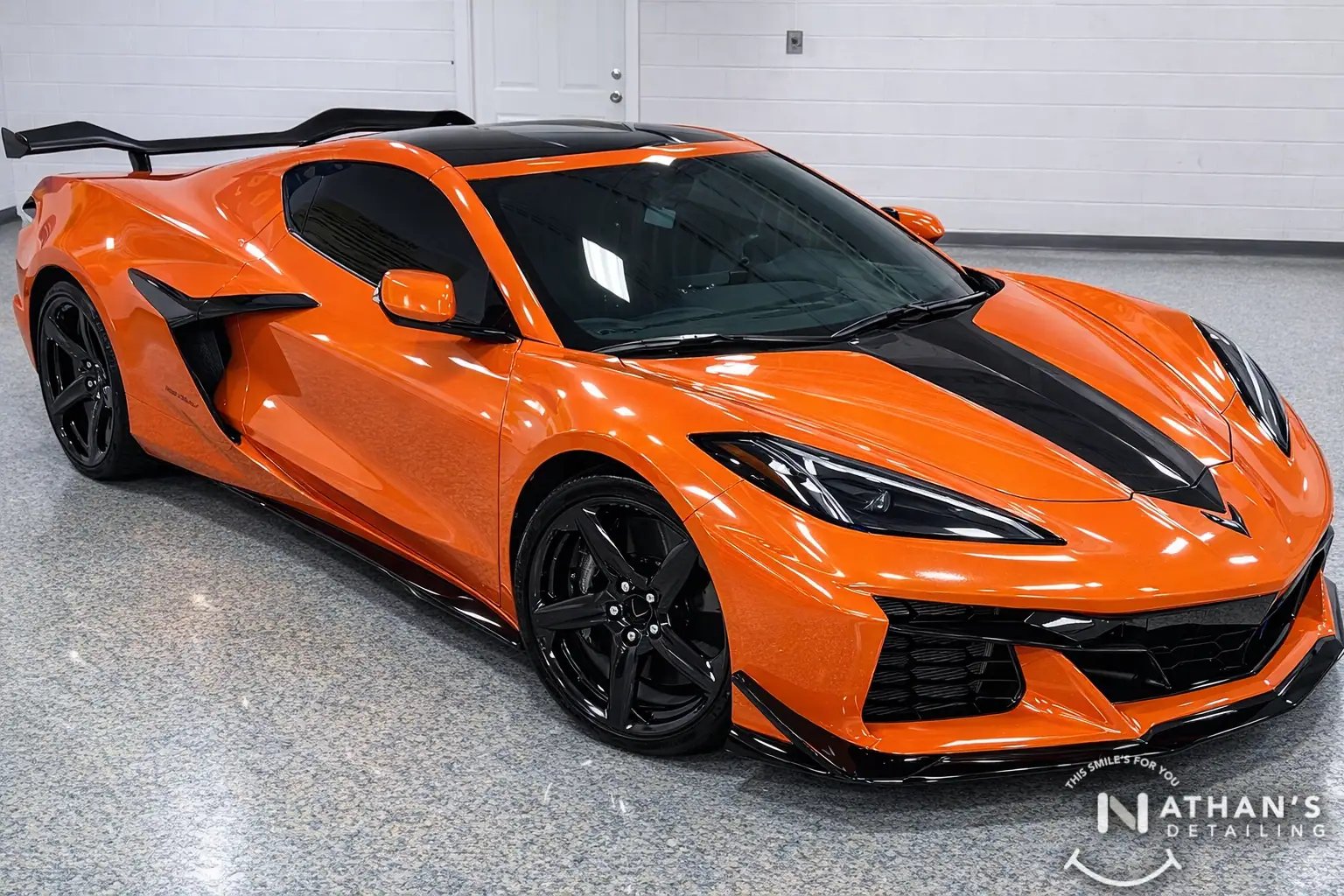
Explore Ceramic Coating at Nathan’s Detailing
Our team can help you compare coating packages based on paint condition, maintenance expectations, and how you use your vehicle in Northeast Ohio.
View Ceramic Coating OptionsHow should you maintain a ceramic-coated car?
Ceramic-coated vehicles require regular, coating-compatible washing and timely removal of contaminants. Maintenance helps preserve the surface behavior and appearance of the protective film.
- Wash the vehicle regularly using compatible products.
- Remove bird droppings and other aggressive contamination promptly.
- Avoid abrasive wiping and contaminated wash materials.
- Follow the coating manufacturer’s curing and aftercare instructions.
- Use approved maintenance products when recommended.
- Inspect changes in water behavior and surface cleanliness.
Frequently asked questions about ceramic coating types
What is the most common type of ceramic coating?
Silica-related SiO₂ coatings are widely used in the automotive protective coating market, although products differ substantially in formulation and durability.
Is graphene coating better than ceramic coating?
Graphene-enhanced coatings are generally a category of ceramic or hybrid protective products, not automatically superior alternatives. Compare finished-product testing rather than ingredient names.
Is a 9H ceramic coating scratch-proof?
No. Advertised 9H ratings do not mean a vehicle is scratch-proof. Scratch resistance depends on the coating, testing method, impact conditions, and underlying surface.
Can ceramic coating be applied to an older car?
Yes. An older vehicle may be suitable for ceramic coating after its paint condition, clear-coat integrity, contamination, and preparation requirements are assessed.
Do ceramic coatings last forever?
No. Ceramic coatings degrade through use, environmental exposure, washing, and contamination. Their usable lifespan depends on the installed product and maintenance.