

Every car owner wants to maintain that showroom shine, but daily wear, scratches, and sun damage make it challenging. Your vehicle faces constant threats from road debris, UV rays, bird droppings, and environmental contaminants that can permanently damage your paint and interior. While individual protection methods like ceramic coating, PPF, or window tinting each offer benefits, the real magic happens when you combine all three. Why ceramic coating, PPF & tinting work best together lies in their complementary protective properties that create an impenetrable shield for your entire vehicle.
Understanding Ceramic Coating: Your Paint’s Best Friend
Ceramic coating forms a semi-permanent chemical bond with your vehicle’s paint, creating a protective layer that’s harder than the original clear coat. This nanotechnology-based solution offers several key benefits of ceramic coating that make it essential for long-term vehicle protection.
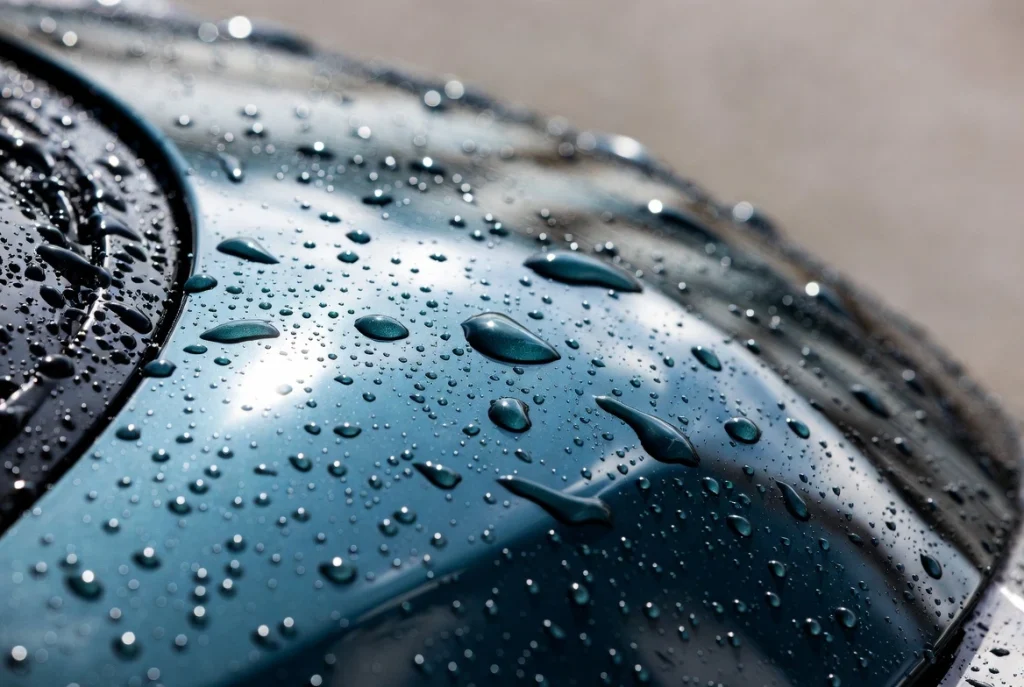
The coating provides exceptional resistance to chemical stains, bird droppings, tree sap, and acid rain. It also creates a hydrophobic surface that causes water to bead and roll off, making your car easier to clean and maintain. From working with hundreds of car owners, we’ve observed that ceramic-coated vehicles maintain their gloss significantly longer than unprotected paint.
However, ceramic coating isn’t bulletproof. While it excels at protecting against chemical damage and minor scratches, it can’t prevent rock chips or deeper physical damage from road debris. This is where PPF becomes crucial.
How PPF Protects Your Vehicle: The Ultimate Physical Barrier
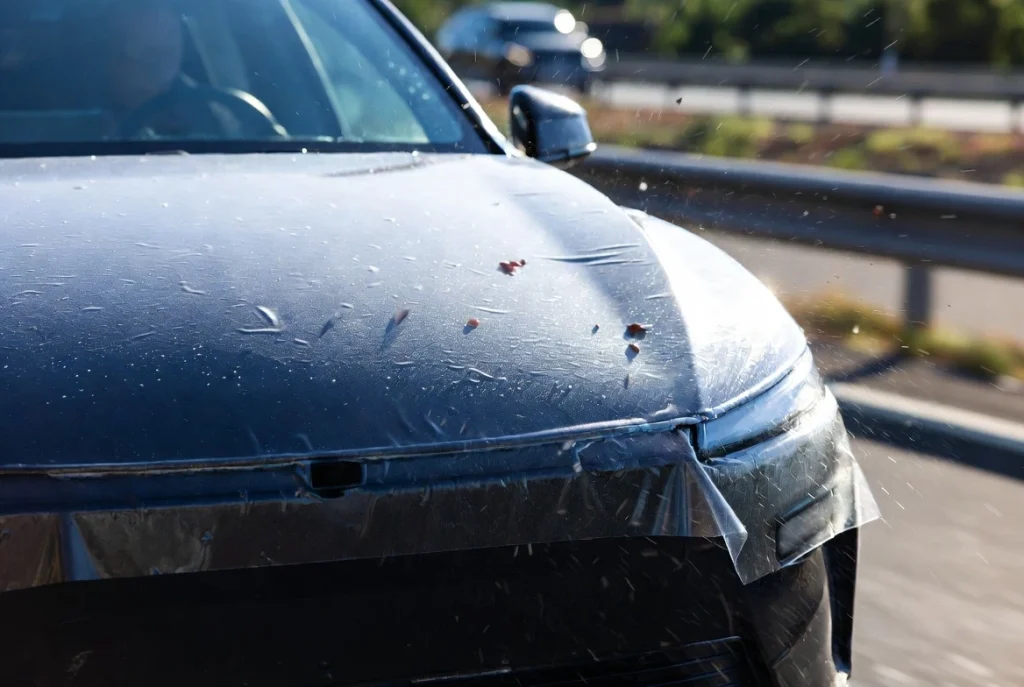
Paint Protection Film (PPF) is a transparent, thermoplastic urethane film that acts as a sacrificial layer over your vehicle’s paint. The PPF protection benefits extend far beyond what ceramic coating alone can offer.
PPF excels at preventing rock chips, scratches, and scuff marks that would otherwise damage your paint permanently. Modern PPF is self-healing, meaning minor scratches and swirl marks disappear with heat from the sun or a heat gun. It’s particularly valuable for high-impact areas like the front bumper, hood, and side mirrors.
According to the International Car Detailing Association, vehicles with PPF maintain their resale value up to 15% higher than unprotected cars. The film is virtually invisible when professionally installed and can last 7-10 years with proper maintenance.
Benefits of Window Tinting: More Than Just Looks
Window tinting provides crucial protection for both your vehicle’s interior and its occupants. The car window tinting advantages extend beyond aesthetic appeal to include practical benefits that complement exterior protection methods.
Quality window tint blocks up to 99% of harmful UV rays, preventing interior fading, cracking, and deterioration. It also reduces heat buildup inside your vehicle by up to 60%, which means less stress on your air conditioning system and improved fuel efficiency.
From a security standpoint, tinted windows make it harder for potential thieves to see valuable items inside your car. The tint film also adds structural integrity to your windows, holding glass together in case of breakage during an accident.
Why Combining All Three Offers Maximum Protection
The synergy between ceramic coating, PPF, and window tinting creates a comprehensive vehicle protection solutions system that addresses every vulnerable area of your car. Here’s how they work together:
Enhanced Durability: When ceramic coating is applied over PPF, it extends the film’s lifespan and makes it easier to maintain. The coating fills in the texture of the PPF, creating an even smoother surface that’s less likely to collect dirt and contaminants.
Complete Coverage: PPF protects high-impact painted surfaces, ceramic coating shields the remaining painted areas, and window tinting safeguards the interior and glass. Together, they create 360-degree protection.
Improved Maintenance: The hydrophobic properties of ceramic coating make both the PPF and paint easier to clean. Dirt and grime wash away more easily, reducing the frequency of detailed cleaning sessions.
UV Protection: While PPF and ceramic coating protect exterior surfaces from UV damage, window tinting shields your interior. This comprehensive UV protection prevents both exterior fading and interior deterioration.
After analyzing multiple case studies, it’s clear that vehicles with all three protection methods maintain their appearance and value significantly longer than those with partial protection or no protection at all.
Real User Experiences & Case Studies
Sarah from Columbus invested in the complete protection package for her new BMW. “I was skeptical about the cost initially, but after two years, my car still looks brand new. My neighbor’s identical BMW without protection already shows paint chips and interior fading.”
Mike, a construction worker who drives long distances daily, shared his experience: “The combination saved me thousands in paint repairs. My truck takes a beating from highway debris, but the PPF absorbs the damage while the ceramic coating keeps everything clean.”
Professional detailer Mark Johnson notes, “Cars with the triple protection combo are the easiest to maintain. The cleaning time is reduced by nearly 50%, and the results are always superior.”
Choosing the Right Service Provider
Not all detailing services offer the same level of expertise with these best car detailing combination services. When selecting a provider, consider these factors:
Essential Qualifications to Look For:
- Certified installers with manufacturer training for PPF and ceramic coating
- Proper facility with controlled environment for installations
- Portfolio of previous work and satisfied customer testimonials
- Warranties and guarantees on workmanship and materials
- Experience specifically with combination installations
Quality Material Standards:
- Reputable PPF brands like XPEL, SunTek, or 3M
- Established ceramic coating brands like CQuartz, Gtechniq, or Ceramic Pro
- High-quality window tint films with proven UV protection
- Materials backed by manufacturer warranties
Professional Service Indicators:
- Detailed consultation process to understand your needs
- Thorough explanation of each protection method
- Realistic timeline expectations for installation
- Comprehensive aftercare instructions and support
- Clean, professional facility with proper equipment
Red Flags to Avoid:
- Unusually low prices that seem too good to be true
- Lack of manufacturer certifications or training
- No portfolio or references from previous customers
- High-pressure sales tactics or unrealistic promises
- Poor facility conditions or unprofessional appearance
A professional service should provide detailed aftercare instructions and warranty information for each product. They should also be able to explain how each protection method works and why the combination is beneficial for your specific vehicle and usage patterns.
Protect your car today – schedule your PPF, ceramic coating, and tinting service with Nathan’s Detailing to experience the ultimate in vehicle protection!
Frequently Asked Questions
Does ceramic coating replace PPF? No, ceramic coating and PPF serve different purposes. PPF provides physical protection against chips and scratches, while ceramic coating offers chemical protection and easier maintenance. They complement each other perfectly.
How long does PPF last with ceramic coating? When combined with ceramic coating, PPF can last 7-10 years compared to 5-7 years without coating. The ceramic coating protects the PPF from UV degradation and makes it easier to maintain.
Can I tint my windows after ceramic coating? Yes, window tinting is independent of paint protection services. However, it’s more efficient to have all three services done together to minimize multiple appointments.
Is the investment worth it for older vehicles? While the investment makes the most sense for newer vehicles, older cars in good condition can still benefit significantly, especially if you plan to keep them long-term.
How do I maintain my vehicle with all three protections? Maintenance becomes simpler with the combination. Regular washing with pH-neutral soap, avoiding automatic car washes, and periodic professional maintenance will keep all three protections performing optimally.
The combination of ceramic coating, PPF, and window tinting represents the gold standard in vehicle protection solutions. By addressing every vulnerable area of your car with complementary technologies, you’re making an investment that pays dividends in maintained appearance, reduced maintenance costs, and preserved resale value. Don’t settle for partial protection when complete peace of mind is within reach.
Found this guide helpful? Explore our other in-depth car protection guides below:
What is PPF for Cars
Can You Apply PPF Over Existing Paint Damage?
Gloss vs. Satin PPF: Which Finish Suits Your Car’s Look?
Tesla Matte vs. Gloss PPF: Which Matches Your Style?
Partial vs. Full PPF: What’s Best for Your Budget and Car Type
How Cleveland Weather Damages Car Paint & How to Prevent It